From Tehran to the desert
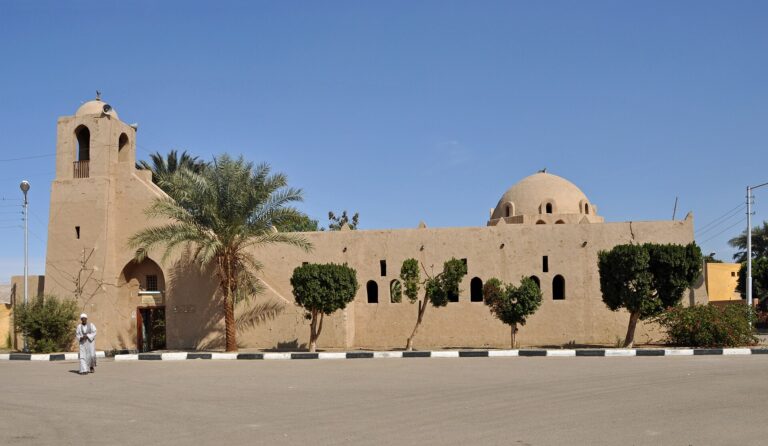
Nader Khalili was born in Tehran and studied Persian literature and poetry at the University of Tehran before training in engineering and architecture in Istanbul. He later moved to California. In 1975 he left a Western-style practice in Iran and spent about five years in the desert, studying the traditional earth architecture of Iran and looking for ways to house the poor.
Superadobe
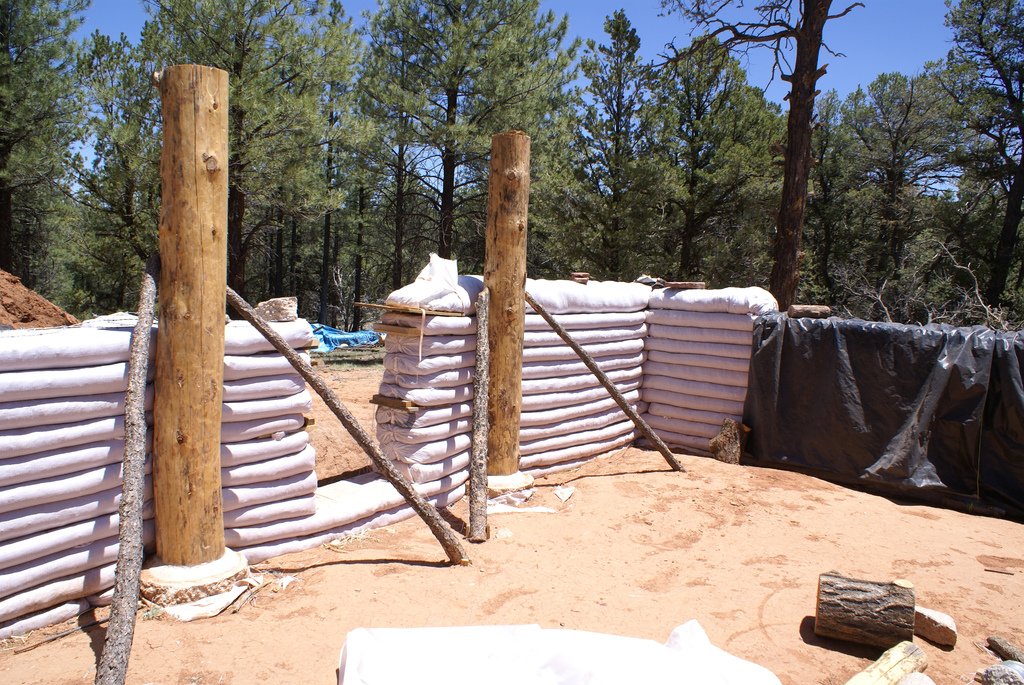
In 1984, Khalili answered a call from NASA for designs for settlements on the Moon and Mars. The result was Superadobe, a method of building domes and vaults from long sandbags filled with earth. It could be made almost anywhere from the soil underfoot. It was later used for emergency shelters, including for refugees during the Gulf War of 1990 to 1991, working with the United Nations. He founded Cal-Earth in 1991 to teach it, and in 2004 received the Aga Khan Award for Architecture.
Poetry and building
Khalili was also a poet and a translator of Rumi, whom he considered a key inspiration for his designs. He wrote about building as a spiritual practice, a way of working with earth and fire. His children, Dastan and Sheefteh, continue his work at Cal-Earth.