The ballet of the sidewalk
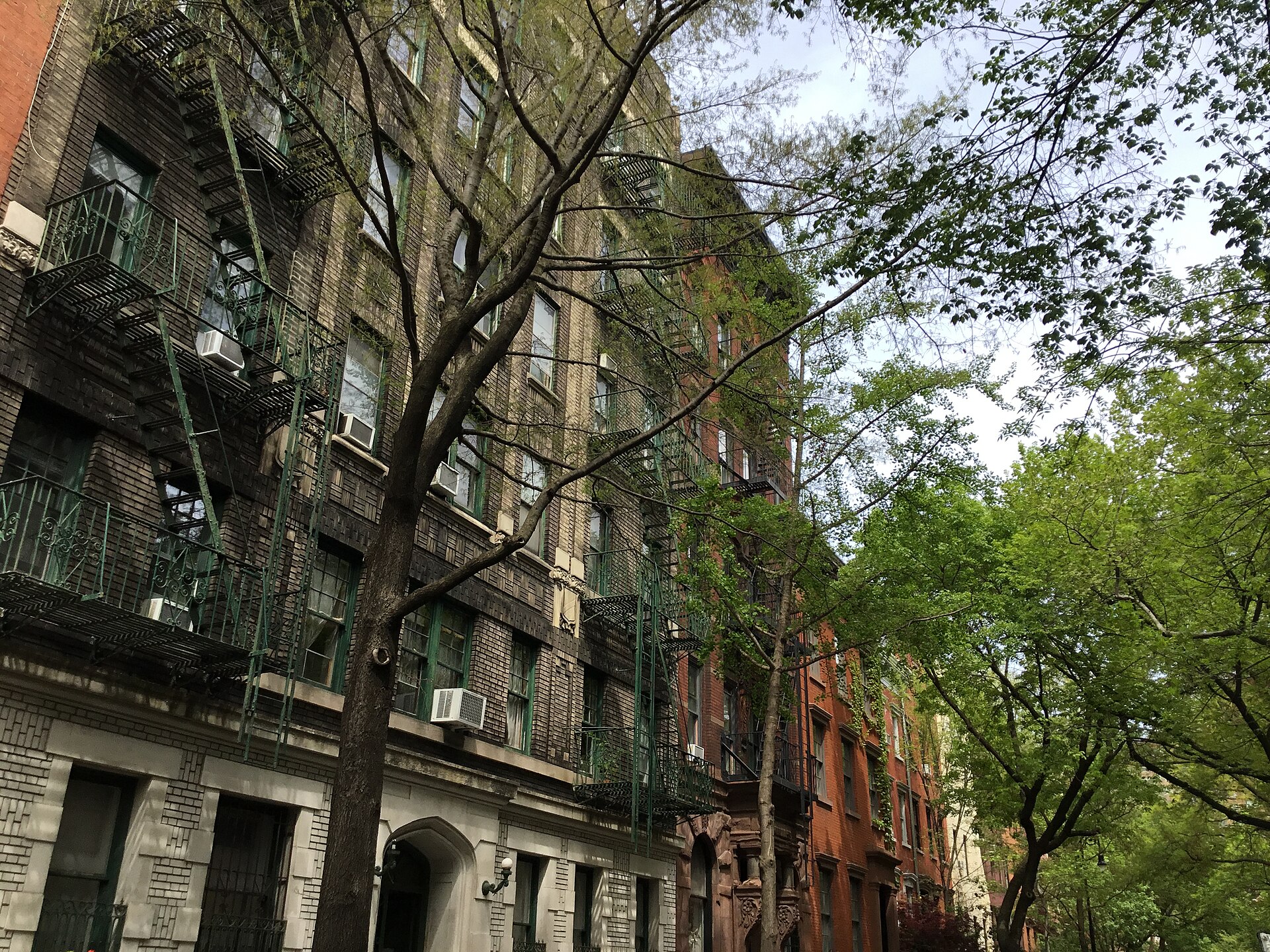
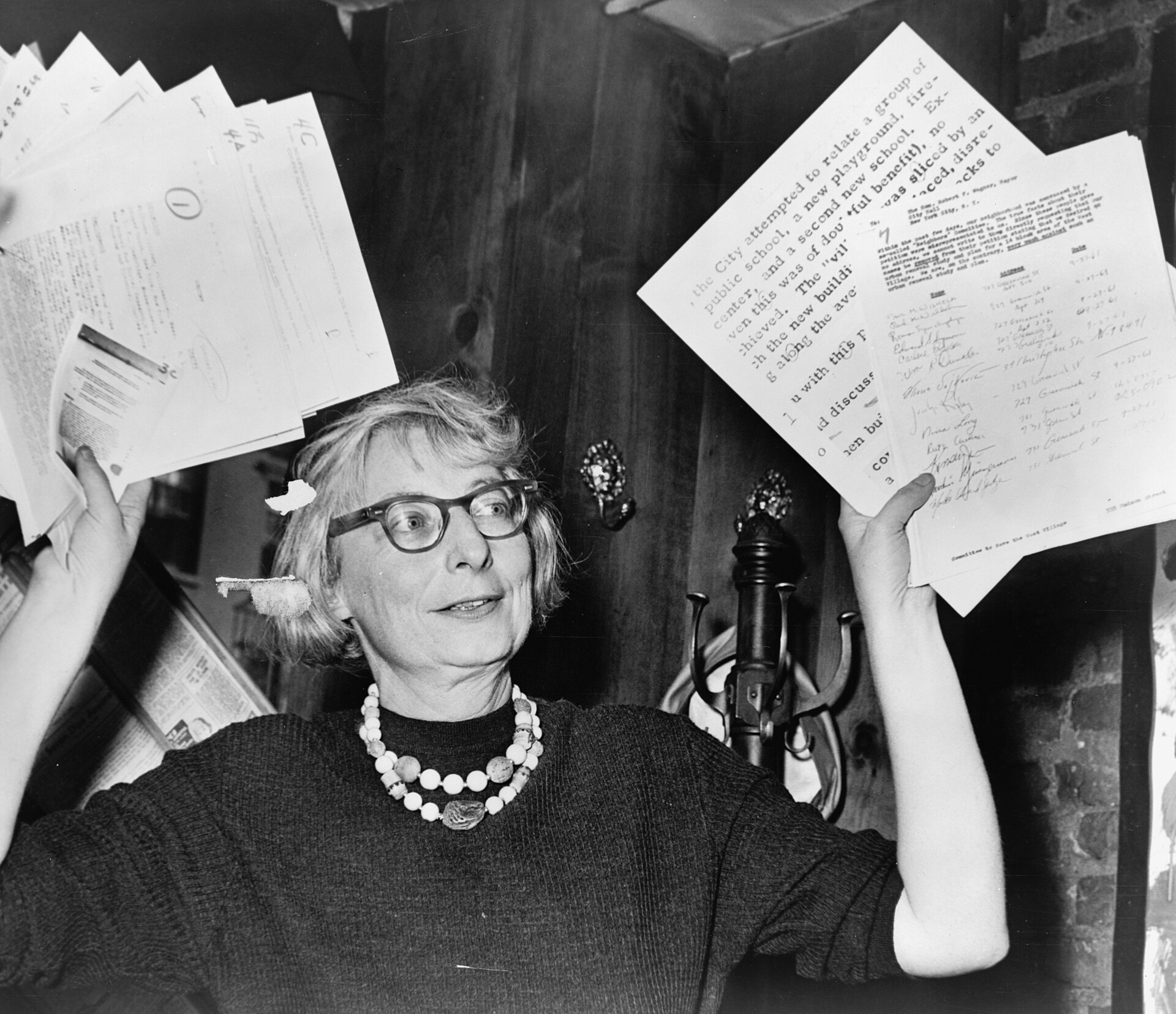
Jane Jacobs lived in Greenwich Village in New York, and what she saw outside her window convinced her that the planners of her day had it wrong. In The Death and Life of Great American Cities, she described the “ballet of the sidewalk,” the thousands of small meetings that make a street safe and alive.
What makes a street work
Eyes on the street: sidewalks that are busy and watched by shopkeepers and neighbors are safer.
Mixed use: homes, shops and workplaces side by side keep a neighborhood active all day.
Short blocks: more corners mean more chance meetings and more people on foot.
The citizen planner
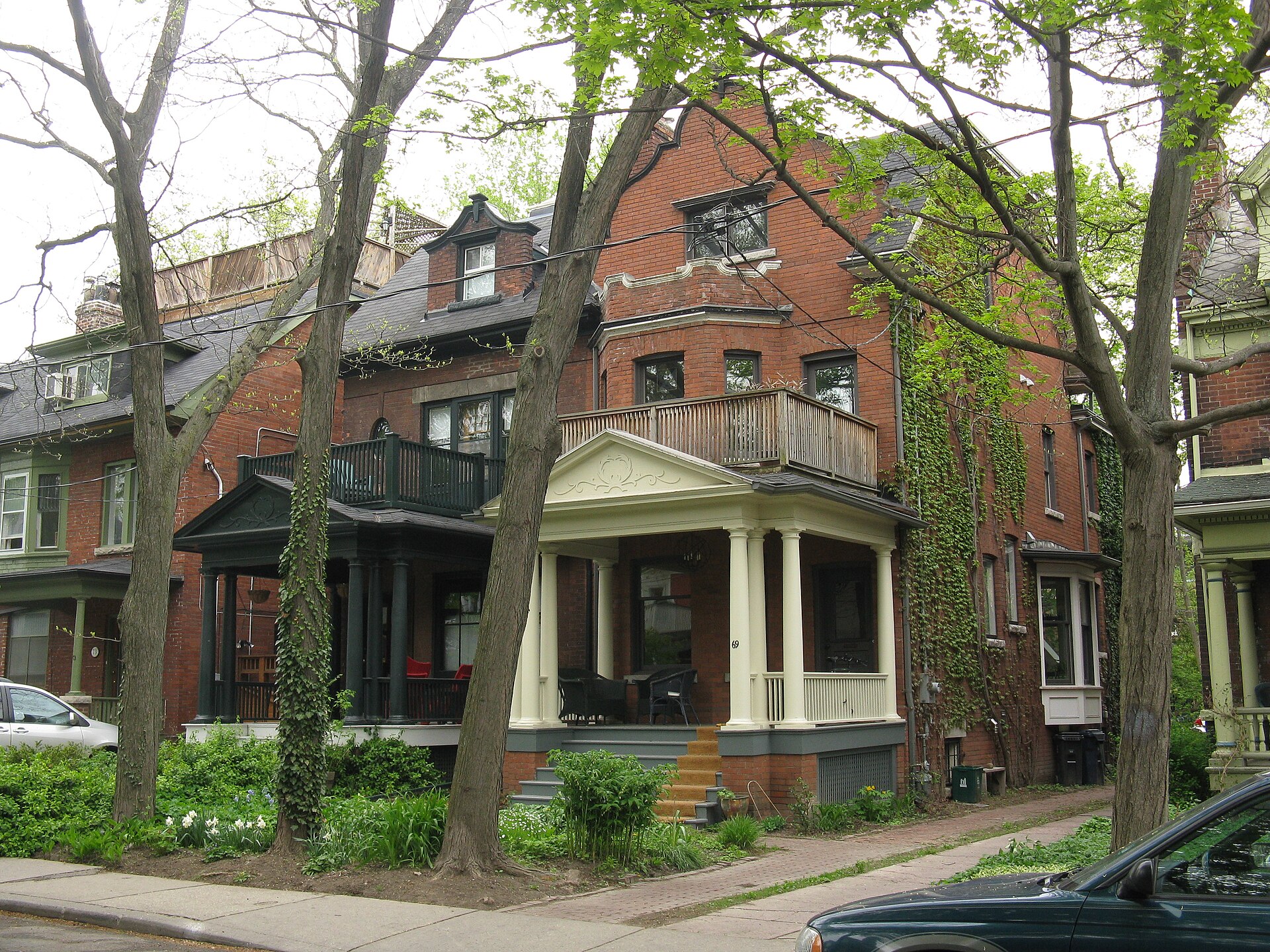
Jacobs also fought for her neighborhood. She helped lead the campaign that stopped the Lower Manhattan Expressway, a freeway planned through lower Manhattan by Robert Moses. In 1968 she moved to Toronto, where she lived in the Annex and joined the fight against another highway. The old Persian bazaar, with shops, homes, tea houses and mosques side by side, is the kind of place that echoes what she described. See the Tabriz Bazaar.