Building with the earth
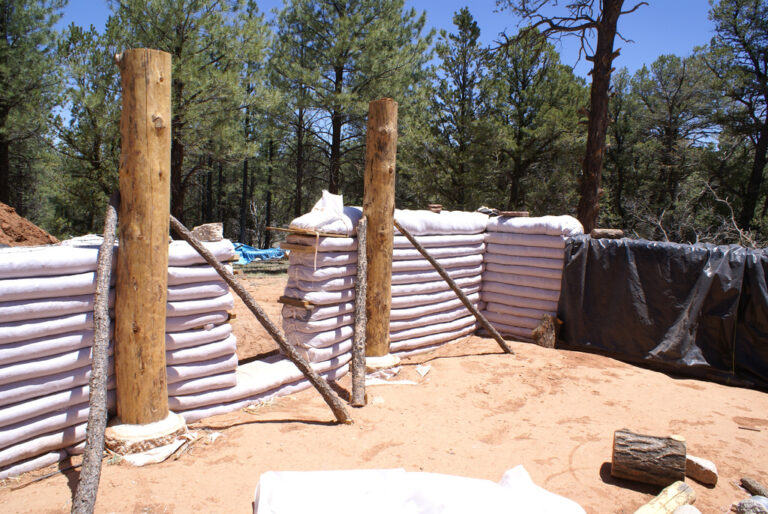
Hassan Fathy believed that the traditional building methods of the Middle East, with thick earthen walls, enclosed courtyards, domes and vaults, were not backward but beautifully suited to hot, dry climates. He set out to revive them for a modern world, working with local builders and local materials, above all sun-dried mud brick.
New Gourna
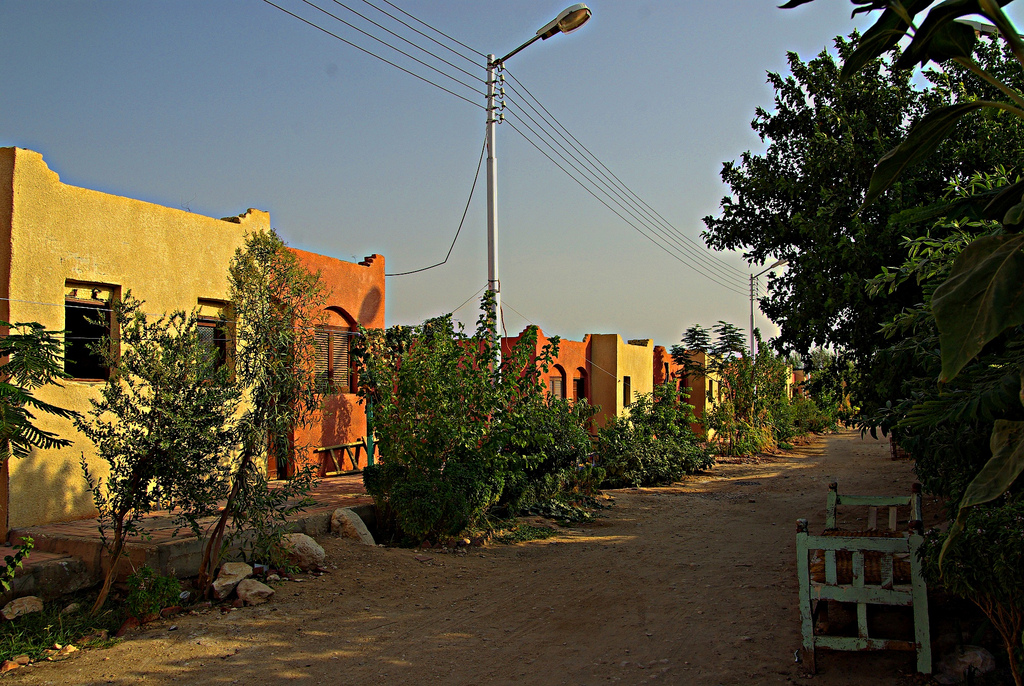
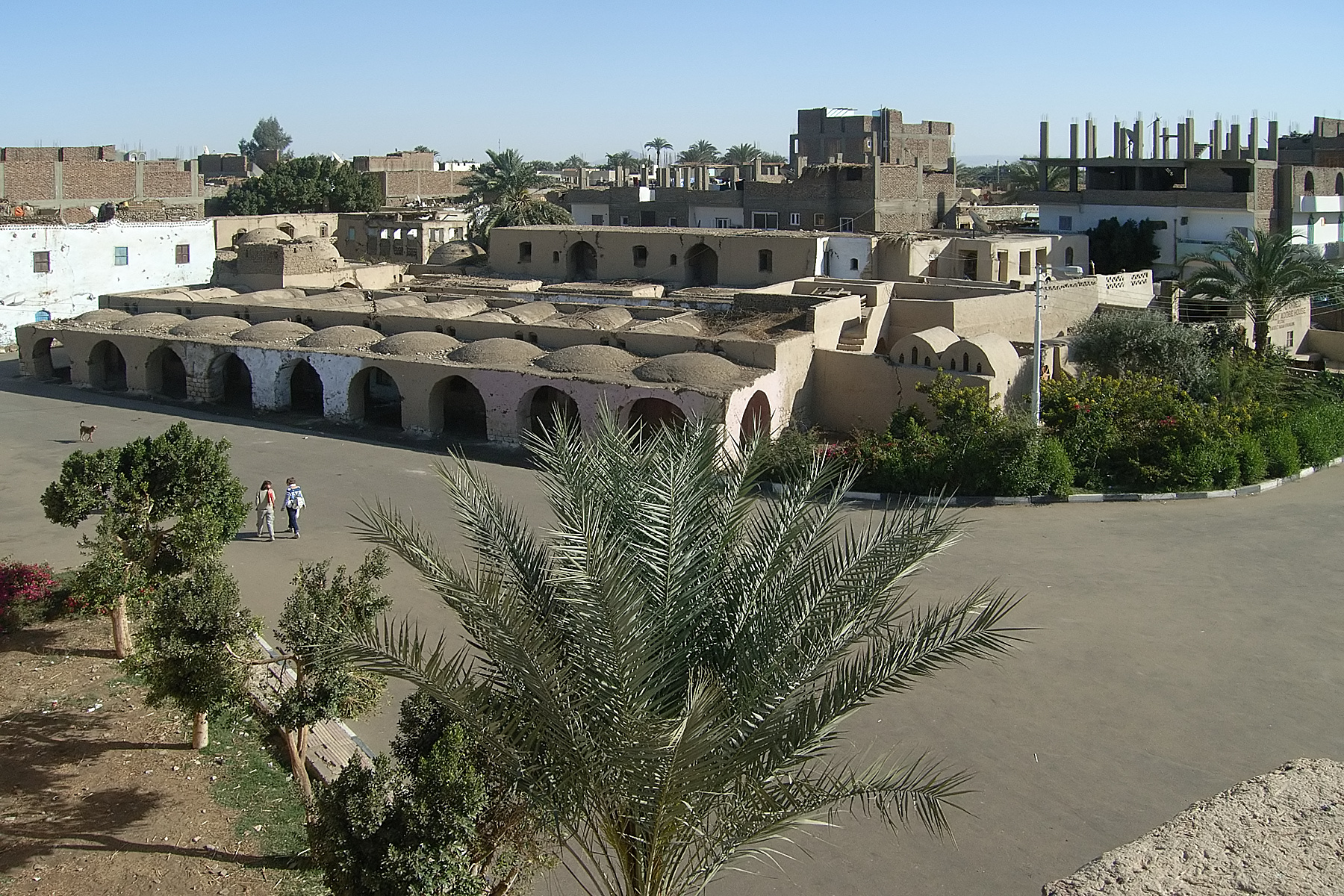
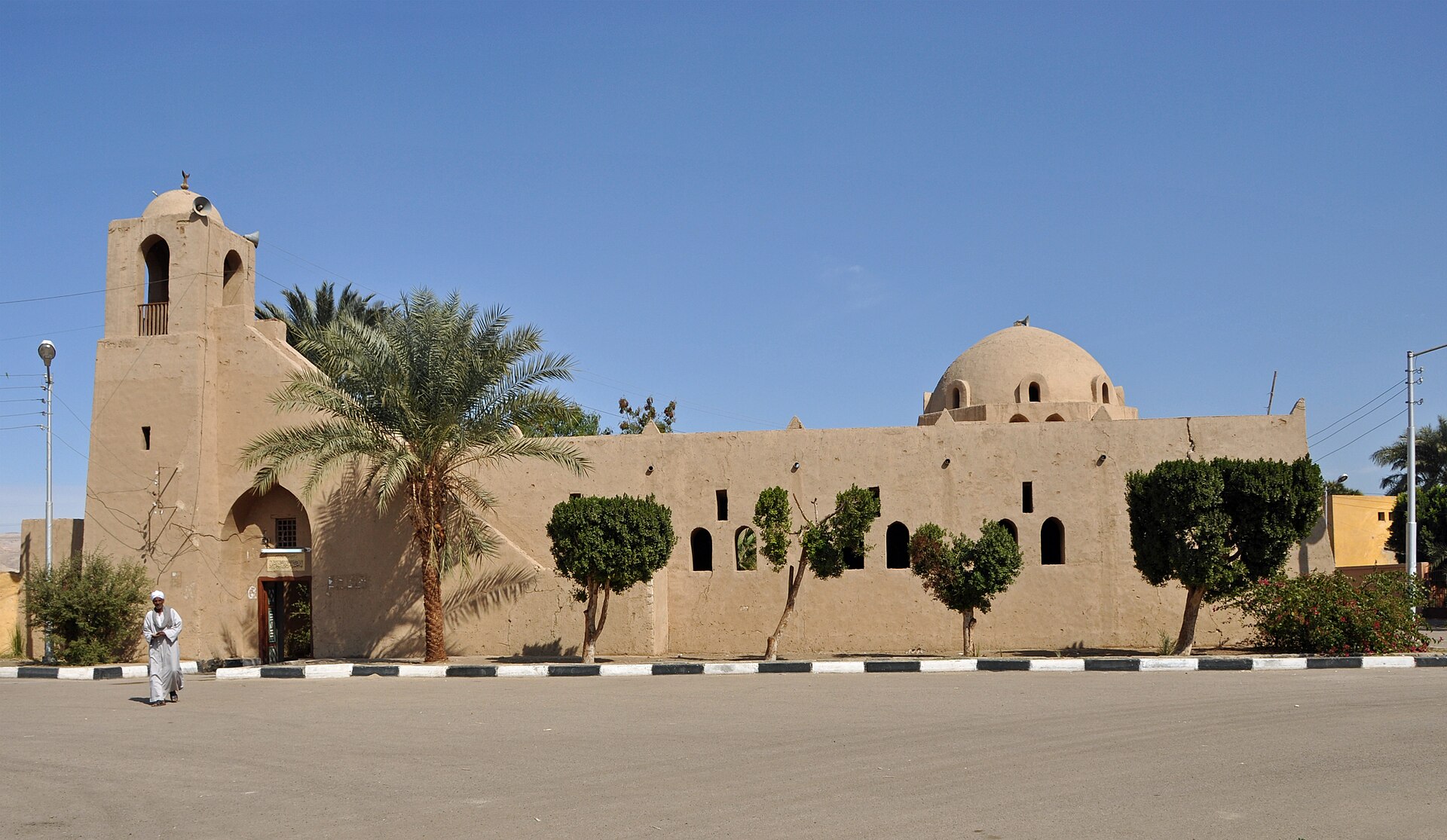
His most famous project was New Gourna, a village near Luxor planned to rehouse the people of Gourna, whose homes stood on top of ancient tombs. Fathy used mud-brick vaults and domes, courtyards and mud-lattice screens, and drew on Nubian building traditions. His book about the experience, first published as Gourna: A Tale of Two Villages and later as Architecture for the Poor, became a classic of appropriate technology.
The village did not turn out as he had hoped. Fathy himself later called it a failure, and many of the original buildings have since been lost, but its ideas had spread. Today it is on the World Monuments Watch, and the Gourna mosque is among the best loved buildings of 20th-century Egypt.
Echoes in Persian building
Fathy also studied how windcatchers and courtyards cool a home without machines. The same principles run through Yazd, with its windcatchers and mud-brick lanes, and are part of why Pardis looks to Persian architecture for its design.