From Balkh to Konya
Rumi was born in 1207 in Balkh, in today’s Afghanistan. As a boy he fled the Mongol invasions with his family, travelling across Iran and the Middle East before settling in Konya, in Anatolia, then called Rum, which gave him the name the world knows. He became a respected teacher of religious law.
Shams of Tabriz
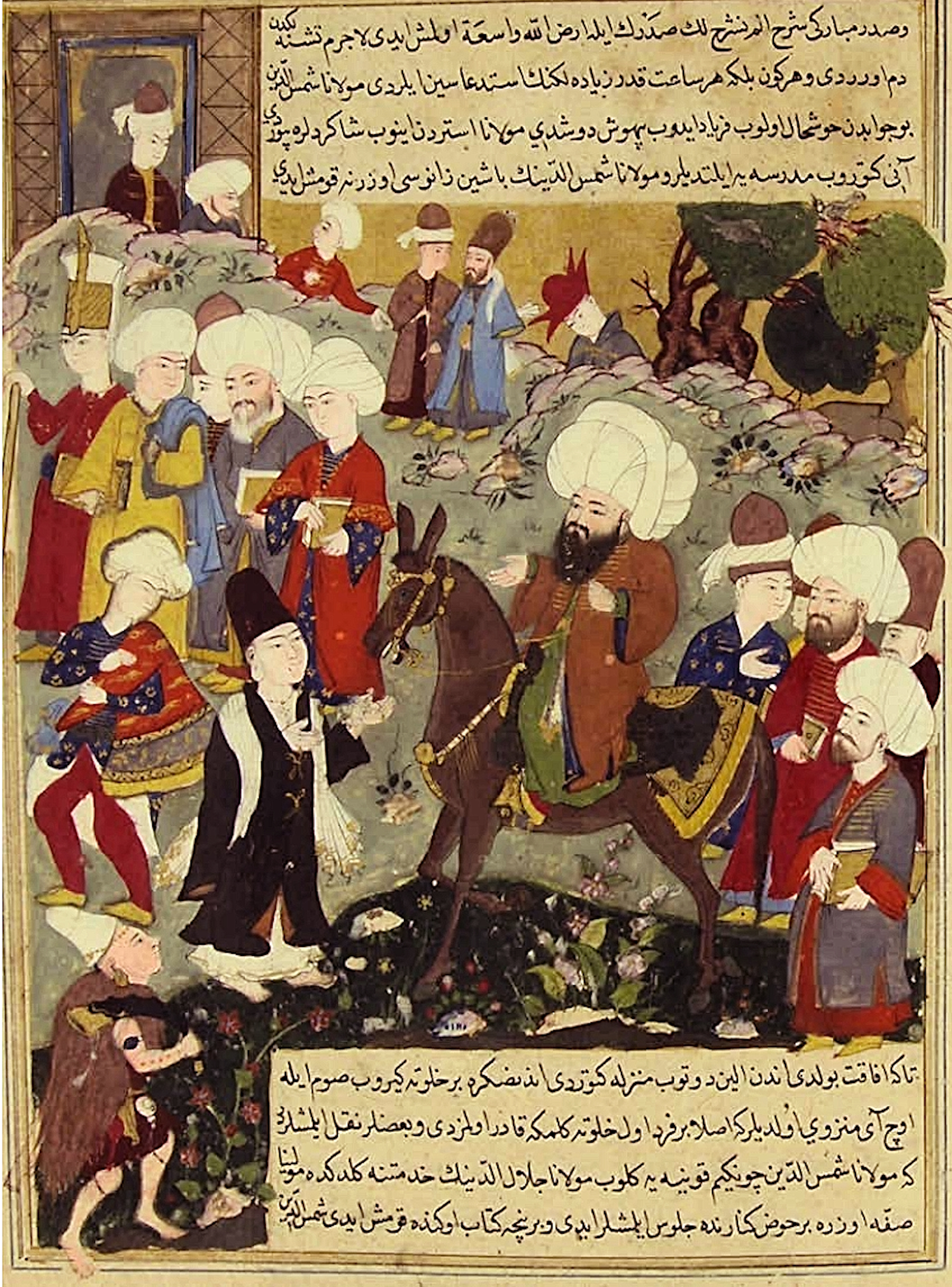
In 1244 Rumi met a wandering dervish, Shams of Tabriz, and his life turned upside down. Their friendship was so intense that Rumi’s students drove Shams away, and when Shams finally vanished, Rumi’s grief poured out as poetry. Thousands of his ghazals are gathered in the Divan-e Shams, named for his friend.
The Masnavi
Rumi spent his last years dictating the Masnavi, a vast poem of stories, parables and teachings, often called “the Quran in Persian.” It opens with the reed flute, cut from its reed bed, crying for its lost home:
بشنو این نی چون شکایت میکند / از جداییها حکایت میکند
“Listen to the reed, how it complains, telling the story of separations.” For the Iranian diaspora, few lines say more.
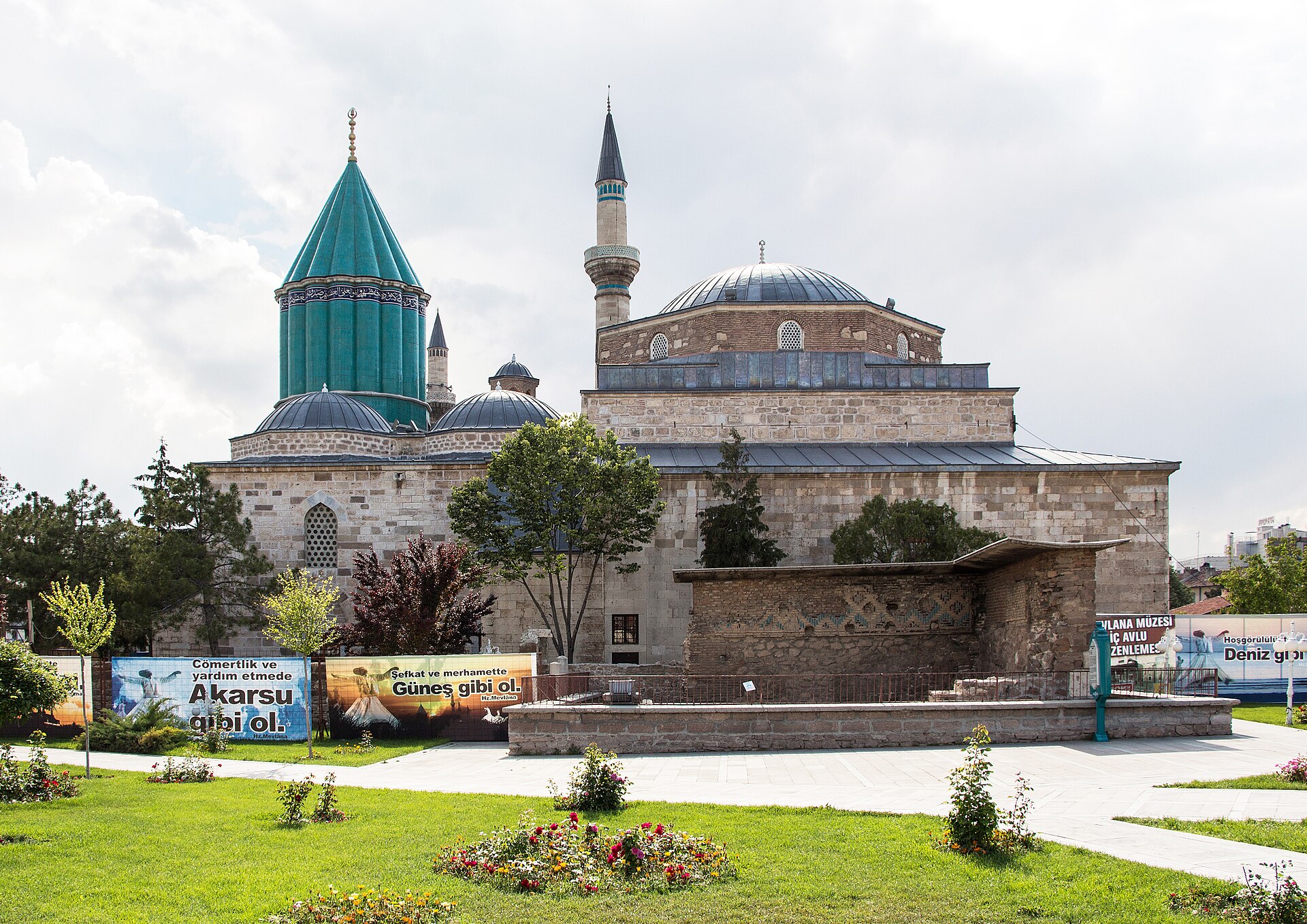
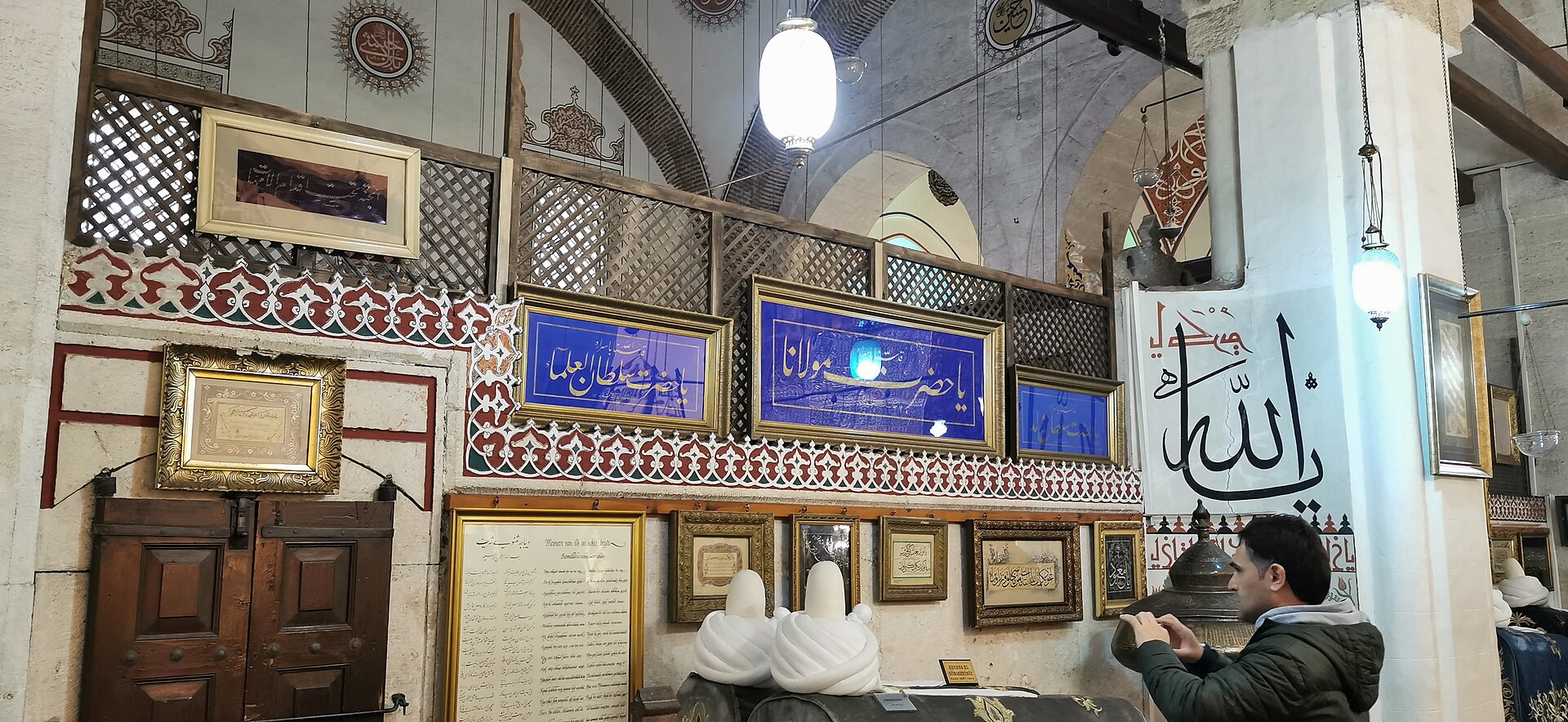
Rumi died in Konya in 1273. His followers founded the Mevlevi order, known for its whirling ceremony, and his green-domed tomb is still visited by people of every faith.