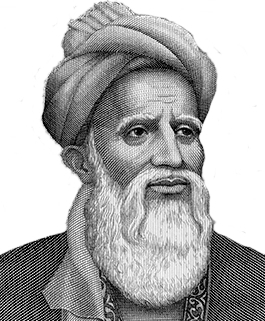
A scientist who wrote poems
In his own time, Khayyam was known above all as a scientist. He wrote an important treatise on algebra, including a geometric method for solving cubic equations, and was one of the astronomers asked by the Seljuk sultan Malik-Shah to reform the calendar. The result, the Jalali calendar, was remarkably accurate and is regarded as the ancestor of the Persian solar calendar still used in Iran today.
The rubaiyat
Quatrains attributed to Khayyam speak of the shortness of life, the mystery of the universe and the pleasure of wine and friends in the present moment. Scholars still debate which of the many quatrains under his name he actually wrote.
این کوزه چو من عاشق زاری بوده است / در بند سر زلف نگاری بوده است
“This jug was once a lover in distress, like me, caught in the curls of a beloved.” In 1859 the English poet Edward FitzGerald published a free translation of some of the quatrains, and it made Khayyam famous across the English-speaking world.
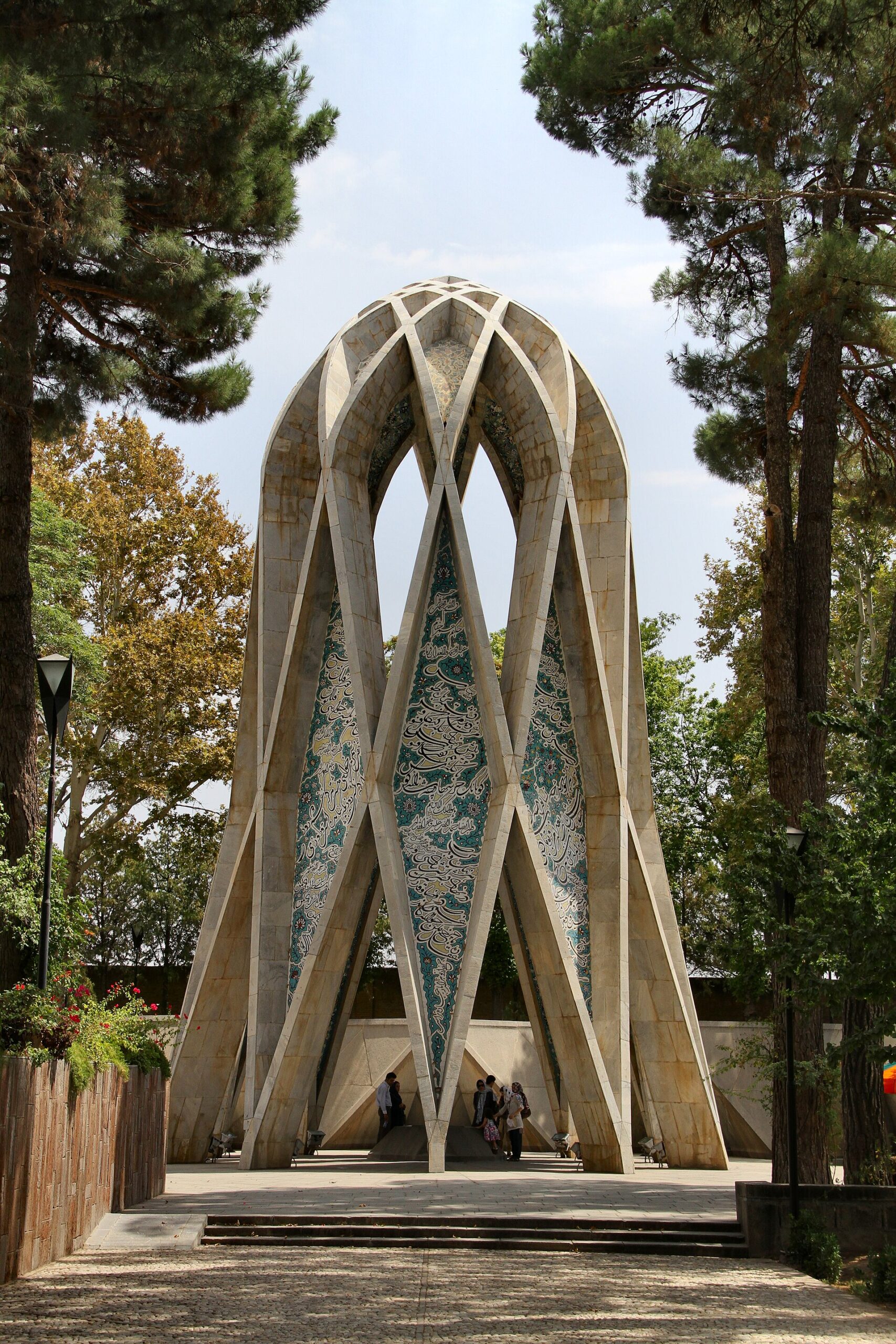
The tomb in Nishapur
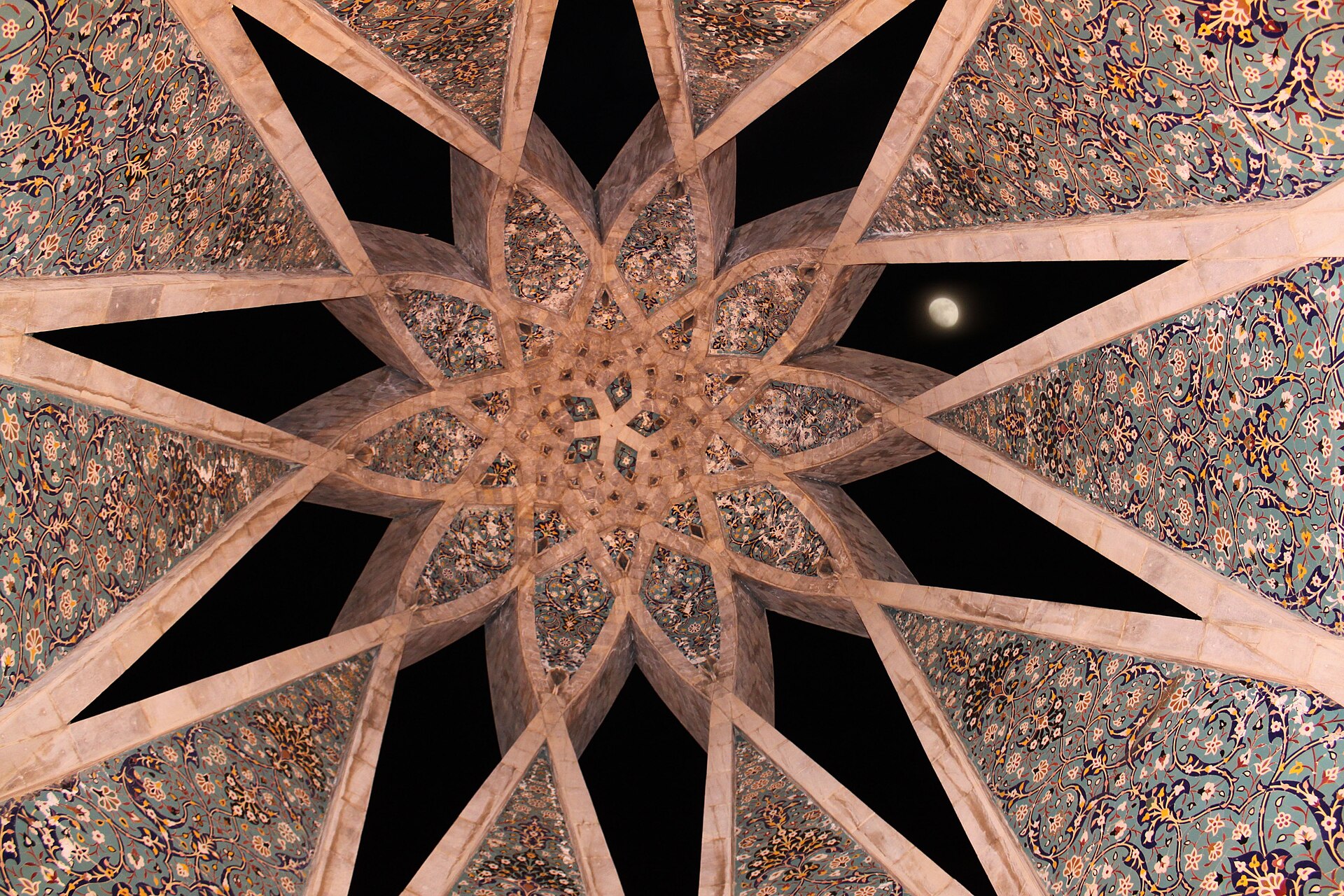
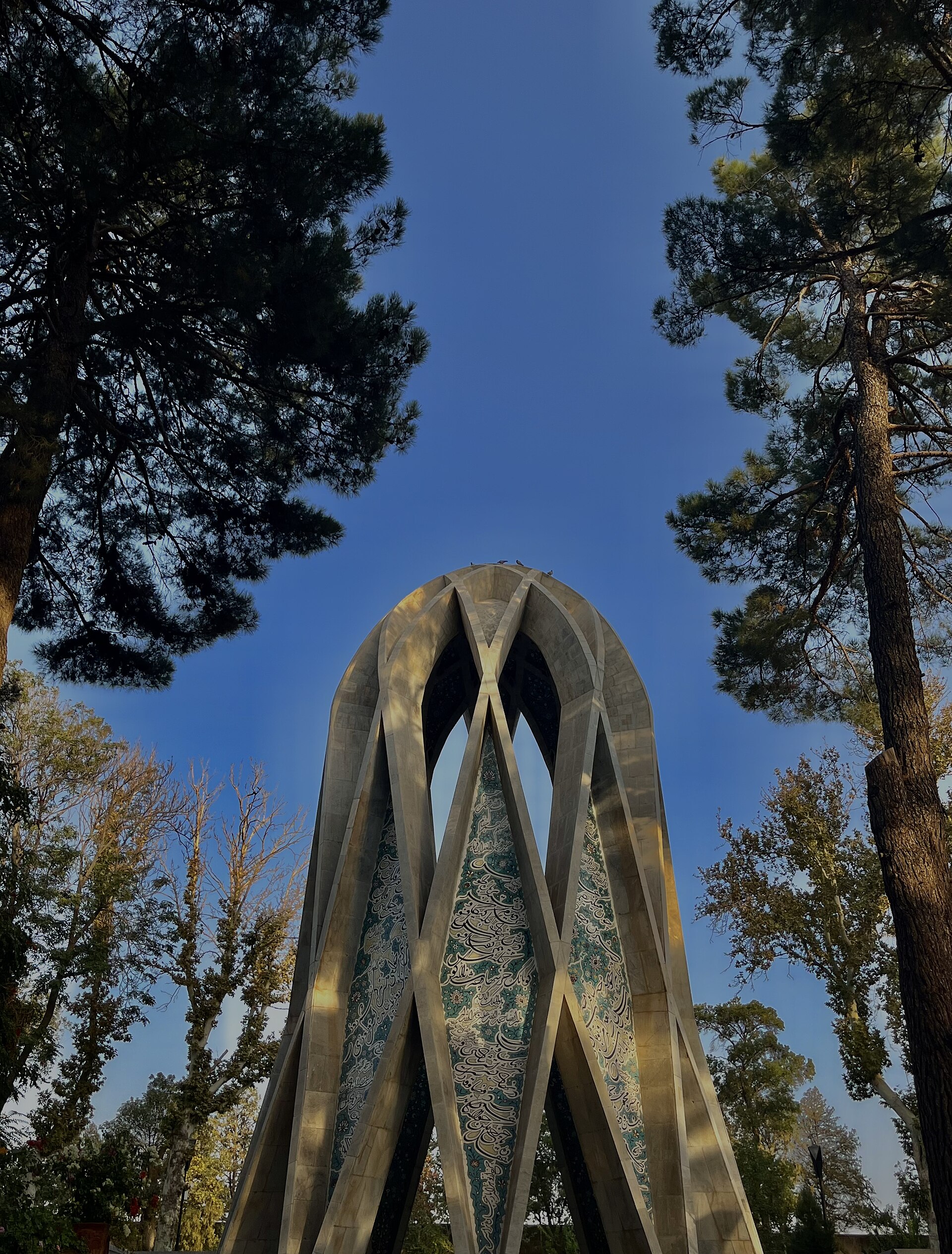
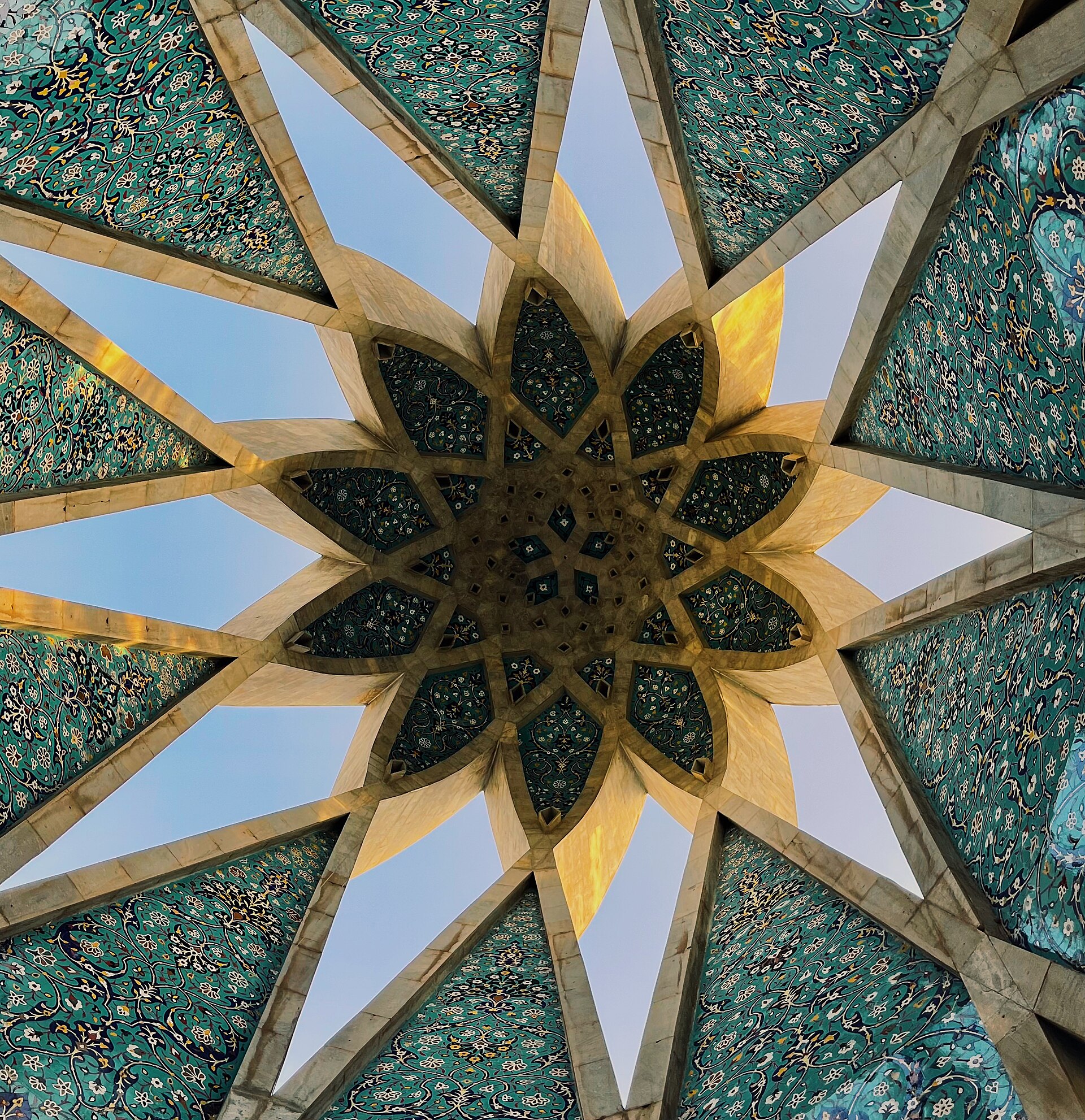
Khayyam is buried in Nishapur, his birthplace in Khorasan. The mausoleum in a garden, designed by the architect Hooshang Seyhoun and opened in 1963, is a tall tower of open geometric concrete lattice whose shape is meant to suggest the sky he studied.