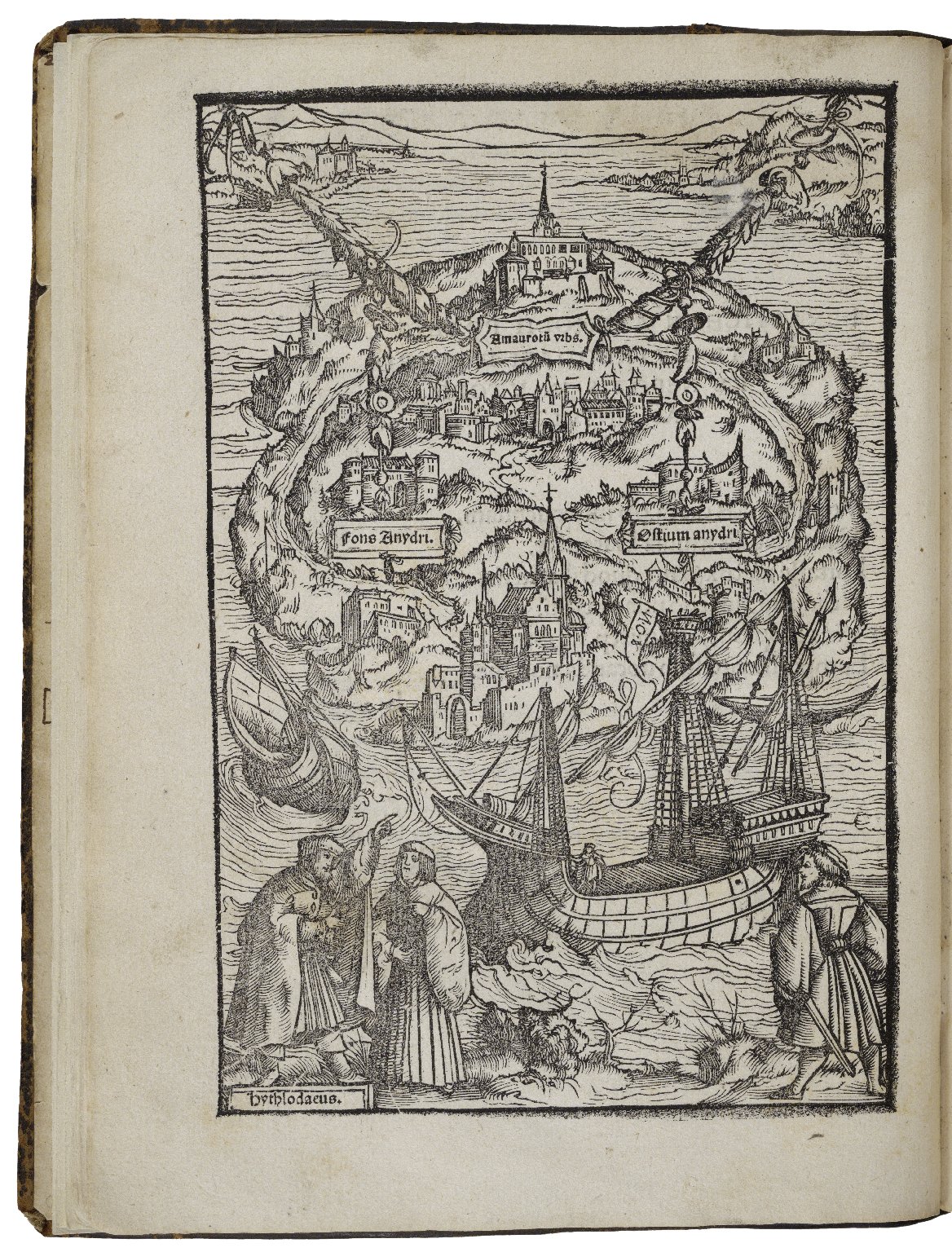
An island that is nowhere
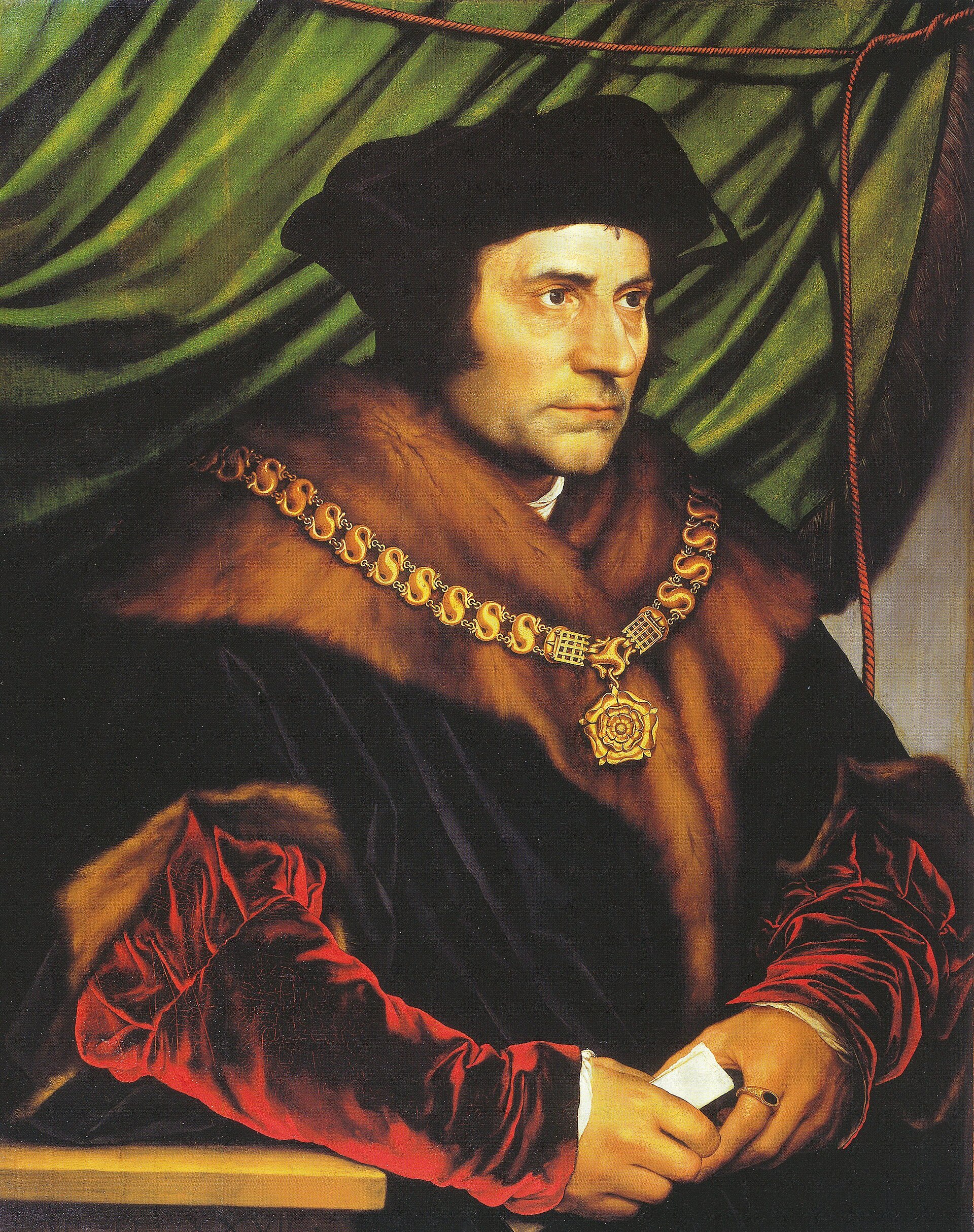
Thomas More wrote Utopia in Latin and published it in 1516. A traveler named Raphael Hythloday describes an island with 54 cities, led by the capital, Amaurot. The name Utopia combines the Greek words for “not” and “place,” a hint that the island is invented, though the first syllable also sounds like the Greek for “good.”
The idea of Utopia
The first book criticizes the injustices of More’s own England. The second book sets against them an island where there is no private property, everyone farms and learns a trade, the working day is about six hours, and different religions live side by side. It is not a blueprint: More’s island also has slavery, and readers have argued ever since about how seriously to take it.
A word that changed the world
The word “utopia” entered English for any imagined perfect place, and gave rise to its opposite, “dystopia.” The book inspired writers from Campanella to Bacon to Voltaire, and in Mexico, Vasco de Quiroga founded communities in Michoacán that were directly inspired by it. Pardis stands in this long tradition of people who imagined better places to live, with the difference that it begins with a garden.