Three magnets
Ebenezer Howard looked at the crowded, smoky cities of Victorian England and at the empty countryside people were leaving, and he proposed a third choice. He pictured a “third magnet” that would draw people with the opportunities of a town and the health and beauty of the country.
The garden city
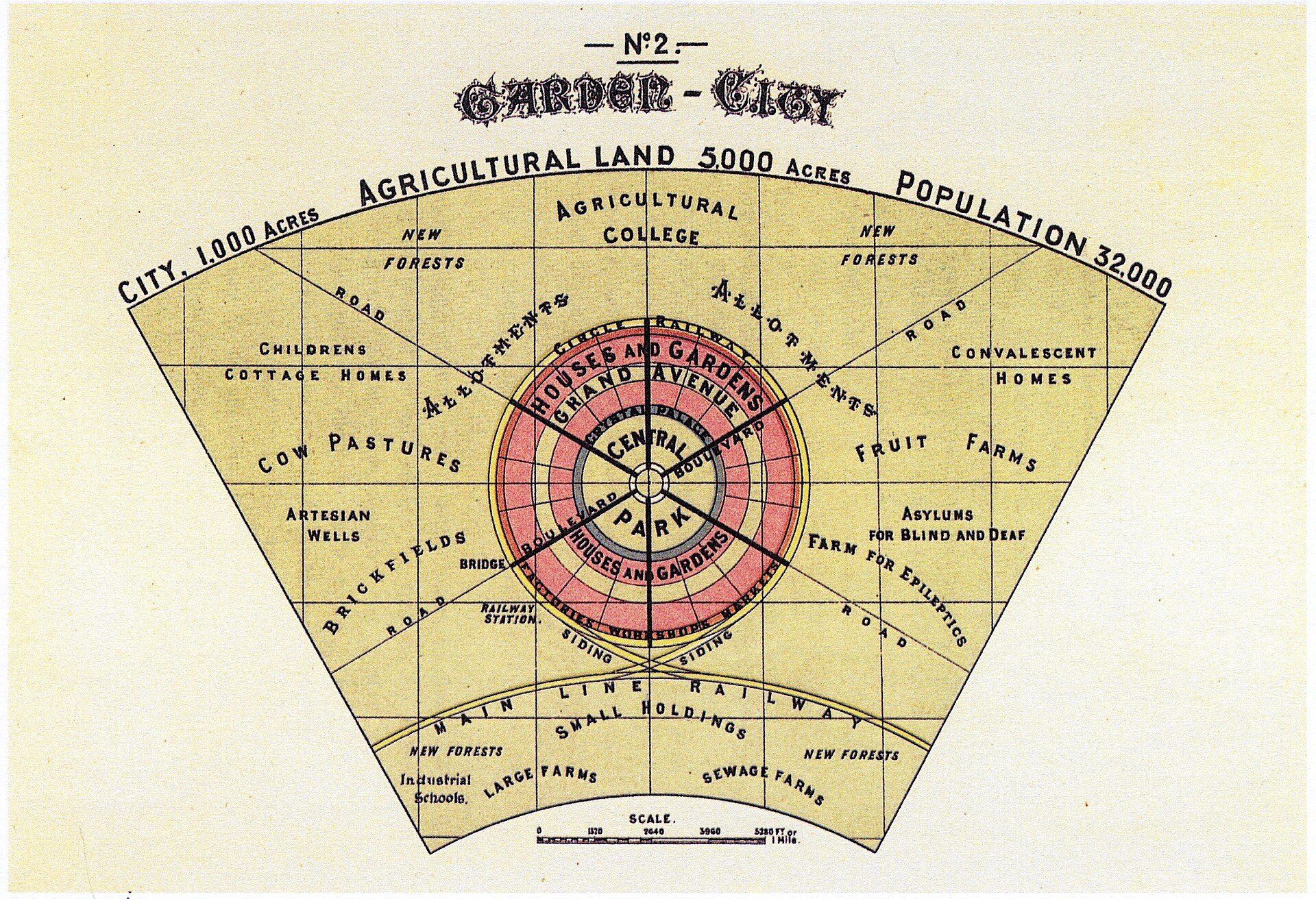
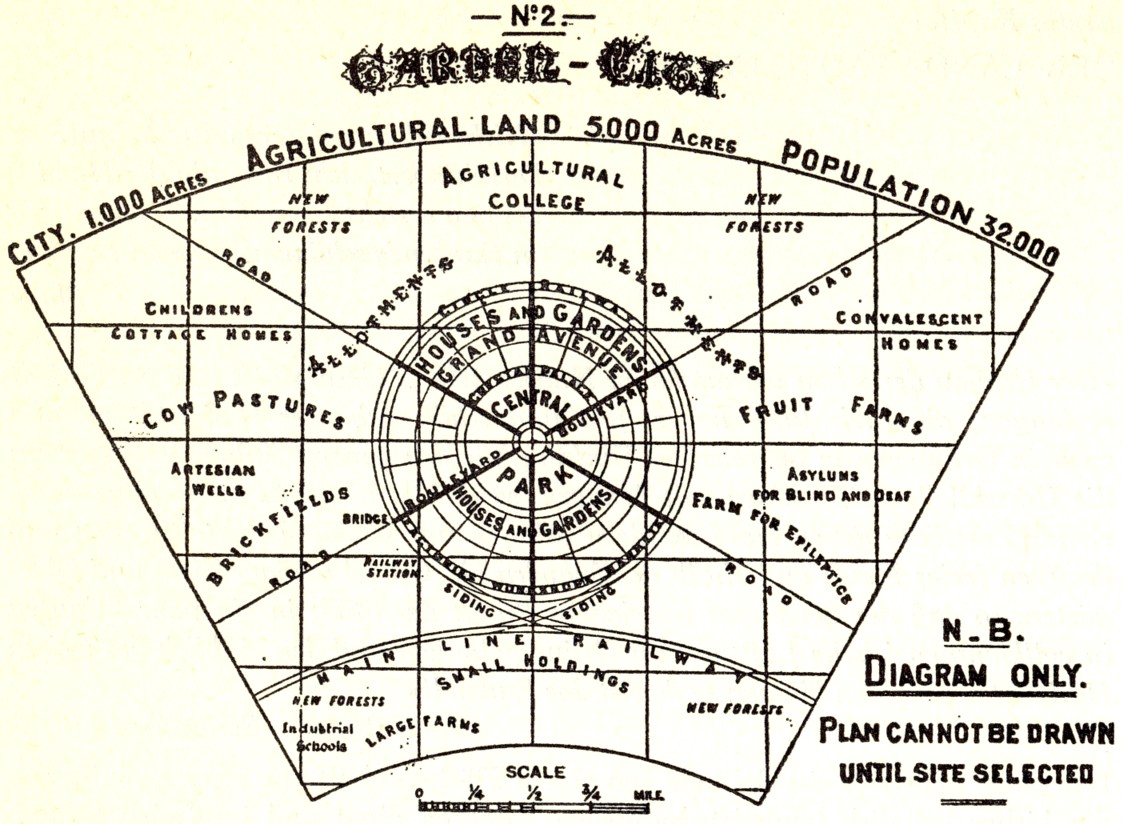
In his plan, a garden city would hold about 32,000 people on 9,000 acres, laid out in rings around a central park, with wide avenues radiating out like the spokes of a wheel. The town would be surrounded by a permanent belt of farmland, and several such towns would link up around a larger central city by road and rail.
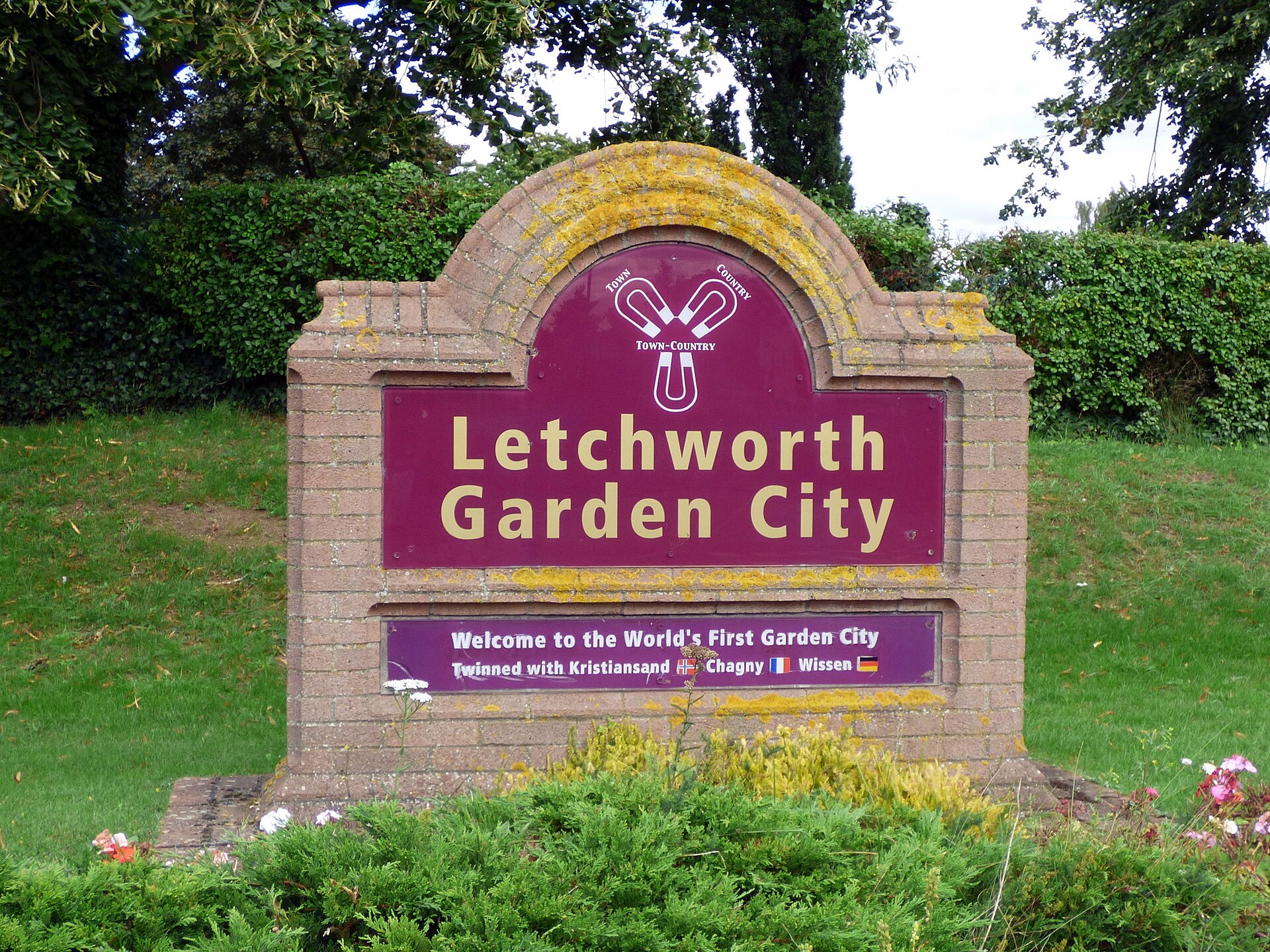
The idea became real. A company to build the first garden city was formed in 1899, and Letchworth, planned by Raymond Unwin and Barry Parker after a design competition in 1904, was followed by Welwyn Garden City, where Howard bought the land in 1919.
A lotus and a wheel
The Pardis plan is a lotus, with a plaza and pool at the center and petals around it. Howard drew his garden city as a circle too, with green space in the middle. Both begin with the idea that the shape of a town can shape the life of its people. See the About page for the lotus.