Half the world
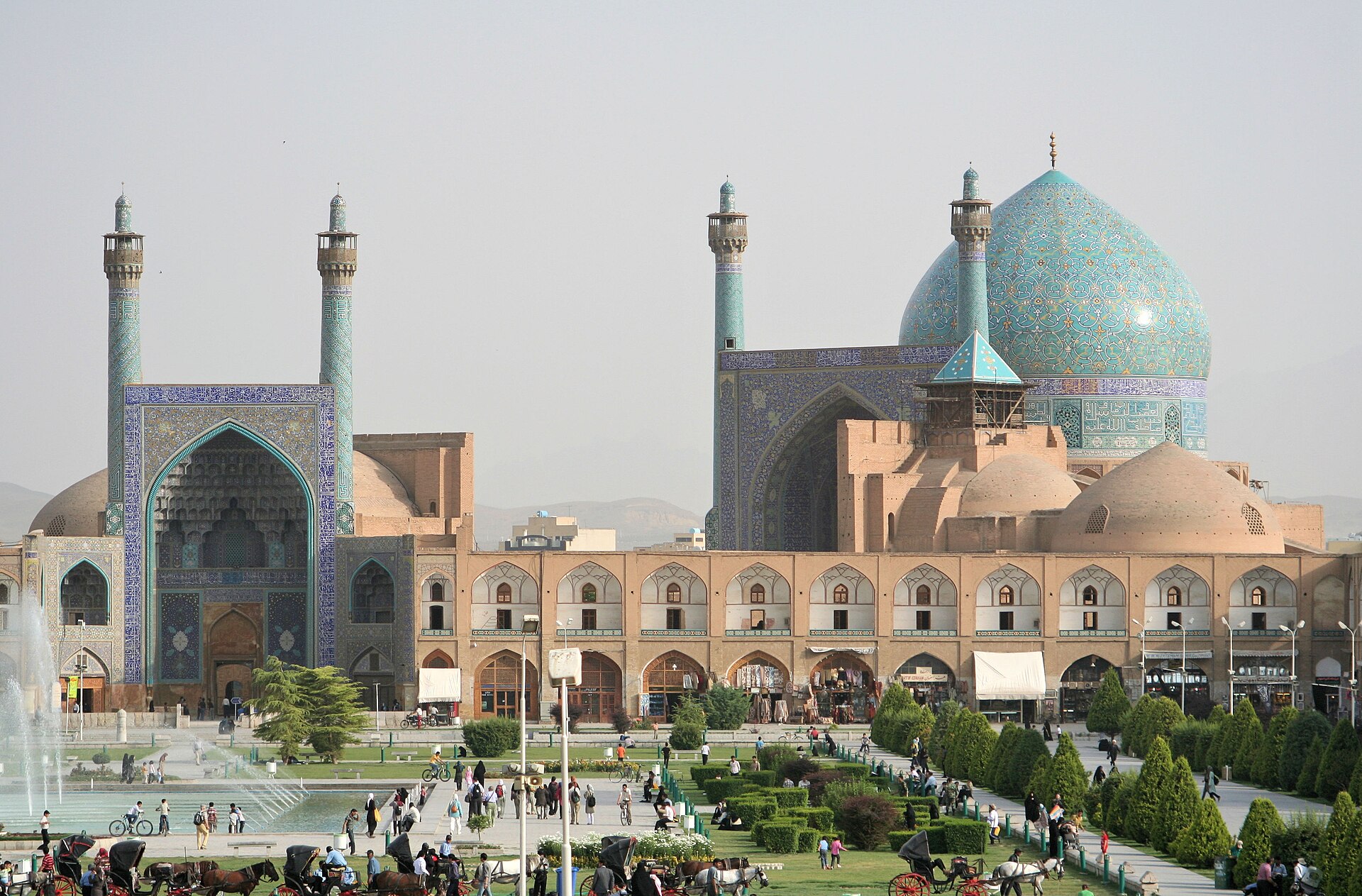
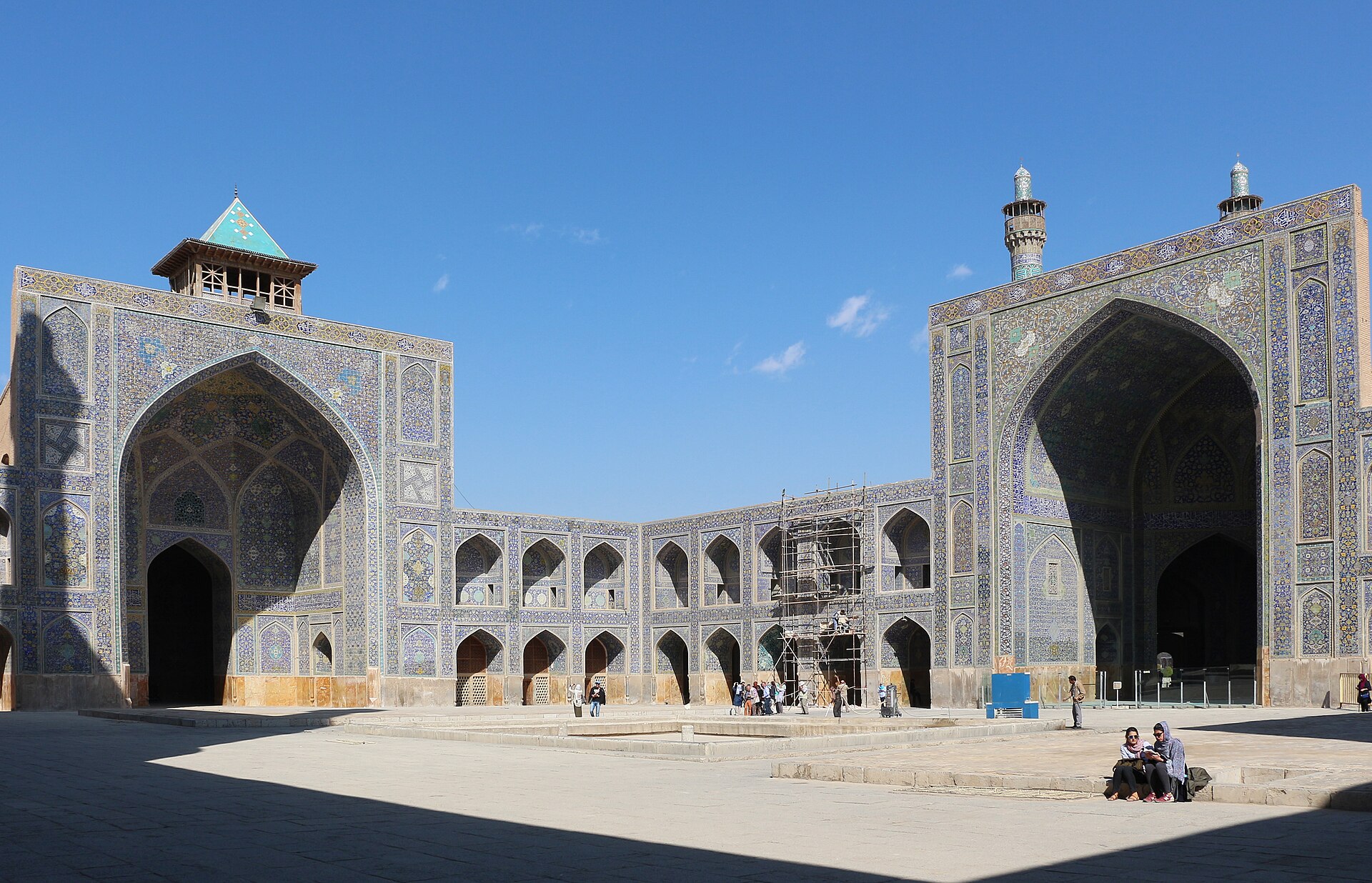
When Shah Abbas made Isfahan his capital, he laid out a vast square, Naqsh-e Jahan, “Image of the World,” with the bazaar at one end and his great mosque at the other. A Persian saying of the time went “Isfahan nesf-e jahan ast”: Isfahan is half the world. The Shah Mosque, begun in 1611, was its masterpiece.
Seven colours of tile
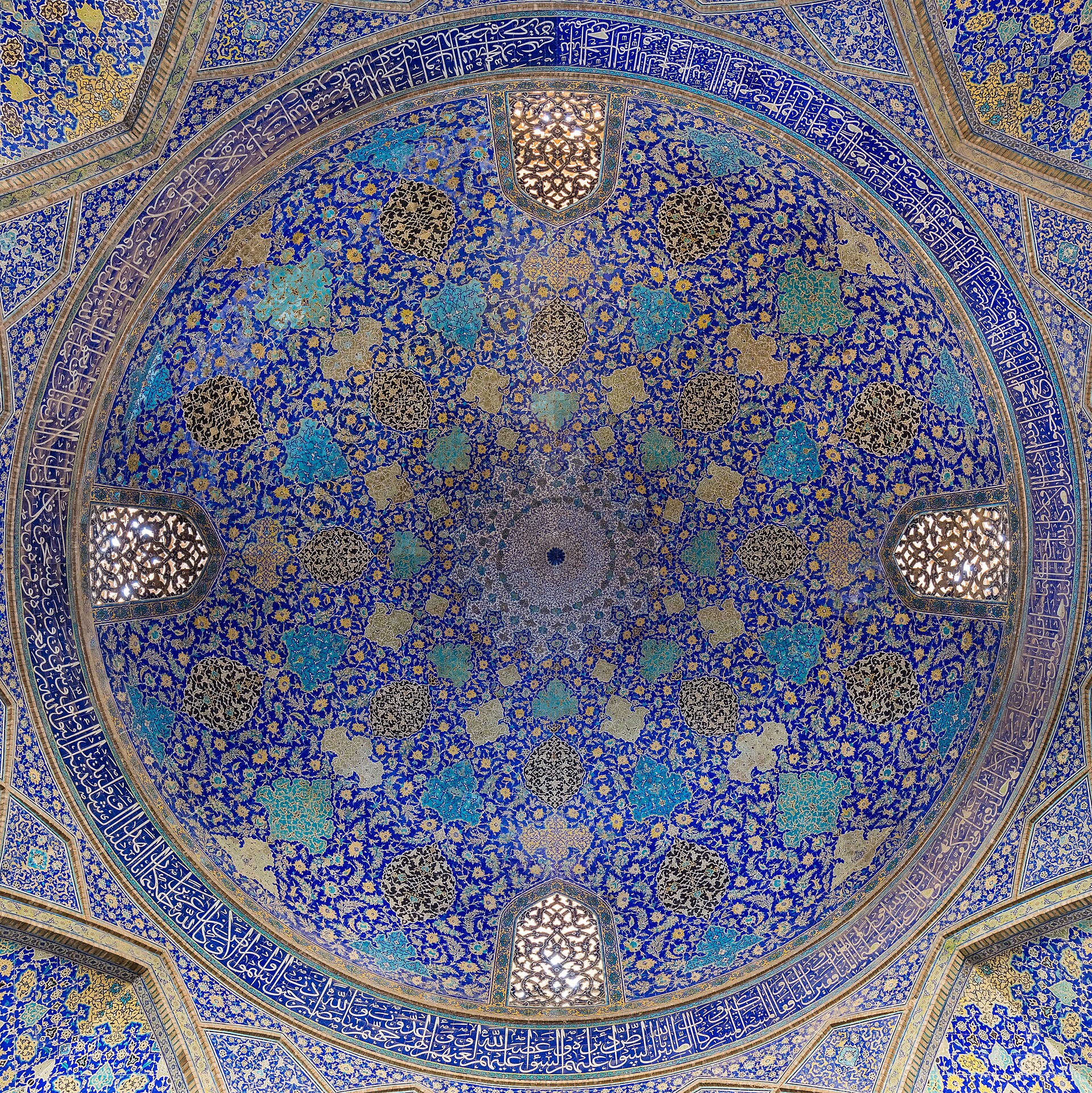
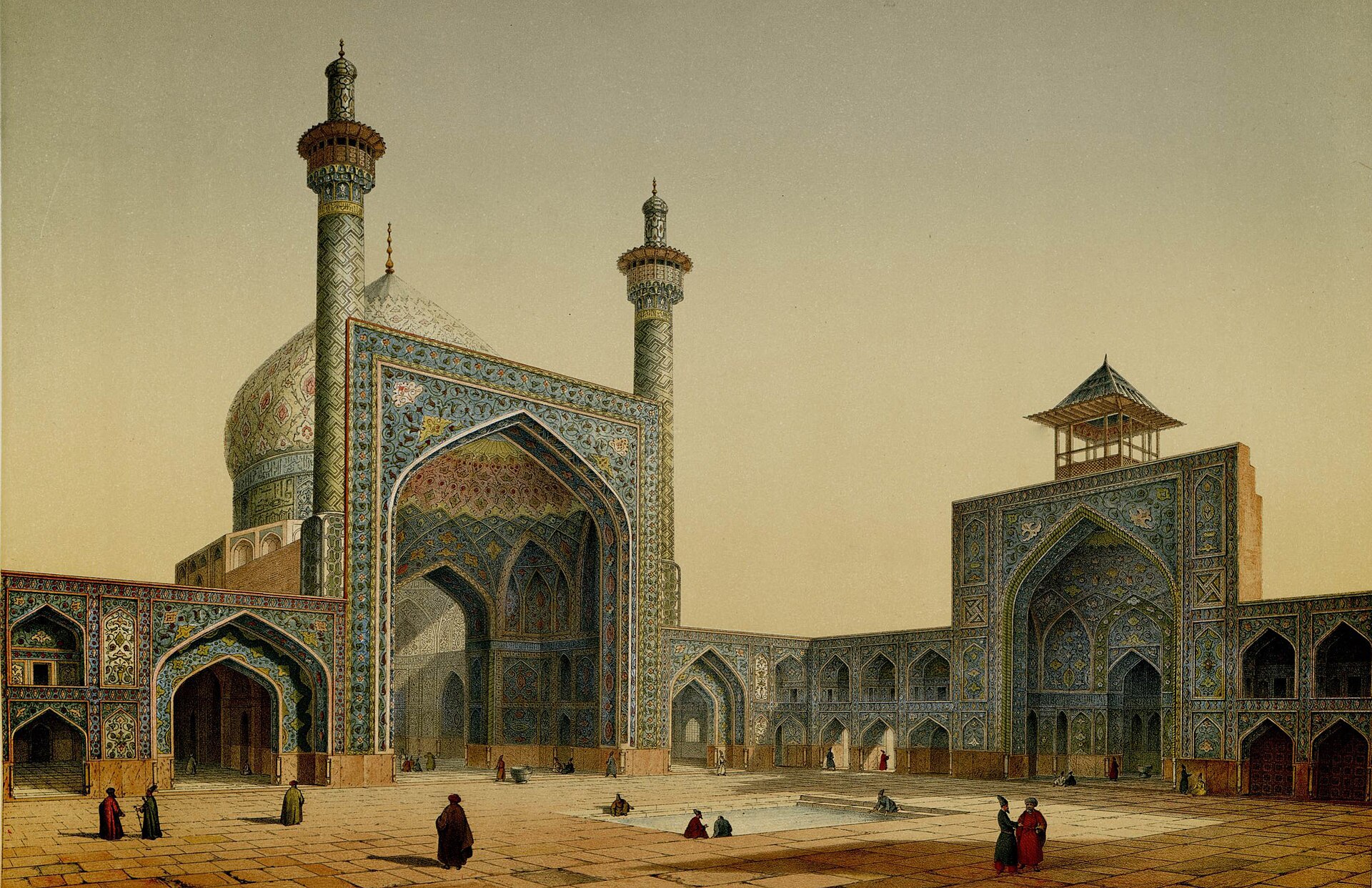
Almost every surface is covered in tile. To finish such an enormous building quickly, the builders used haft rangi, “seven-colour” tiles painted before firing, which allowed a richer palette than earlier mosaic. The entrance portal faces the square, but the mosque behind it turns about 45 degrees so that its prayer hall faces Mecca, a shift so skilful most visitors never notice it.
The double dome rises about 52 metres. Stand beneath the centre of the dome and clap, and the sound returns several times, an echo that once carried the voice of the prayer leader through the hall.