Esther in Persia
The Book of Esther tells how a young Jewish woman became queen of the Persian king Ahasuerus and, with the help of her cousin Mordechai, saved her people from a plot against them. The story is read every year at the festival of Purim.
Iranian Jewish tradition, followed also by many Iranian Christians, holds that Esther and Mordechai are buried in Hamedan, which was the summer capital of the Persian kings. Scholars are divided. Some historians have doubted the link to the biblical couple, and the tomb is first mentioned in the 11th century, but for many centuries it has been a place of prayer.
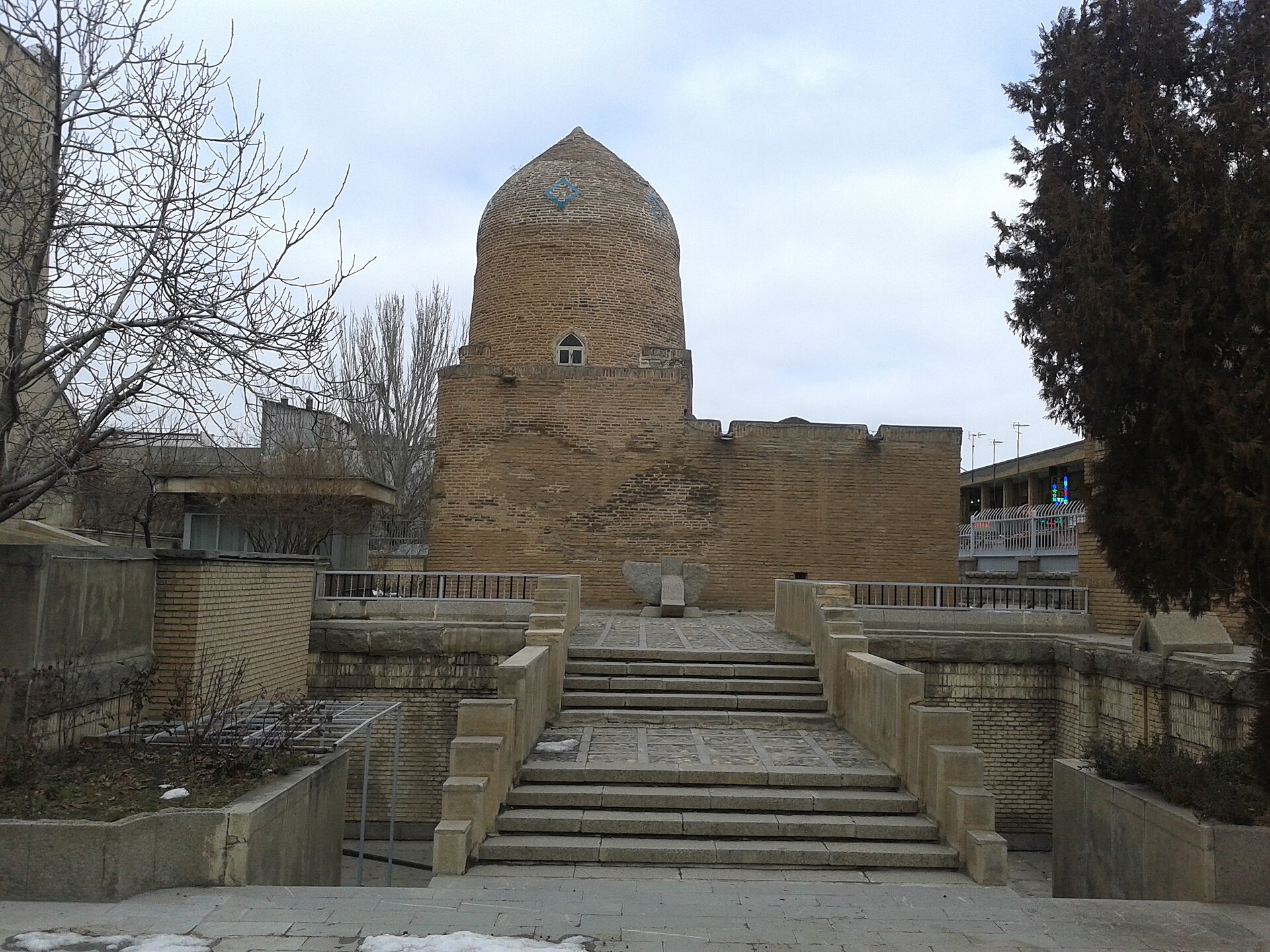
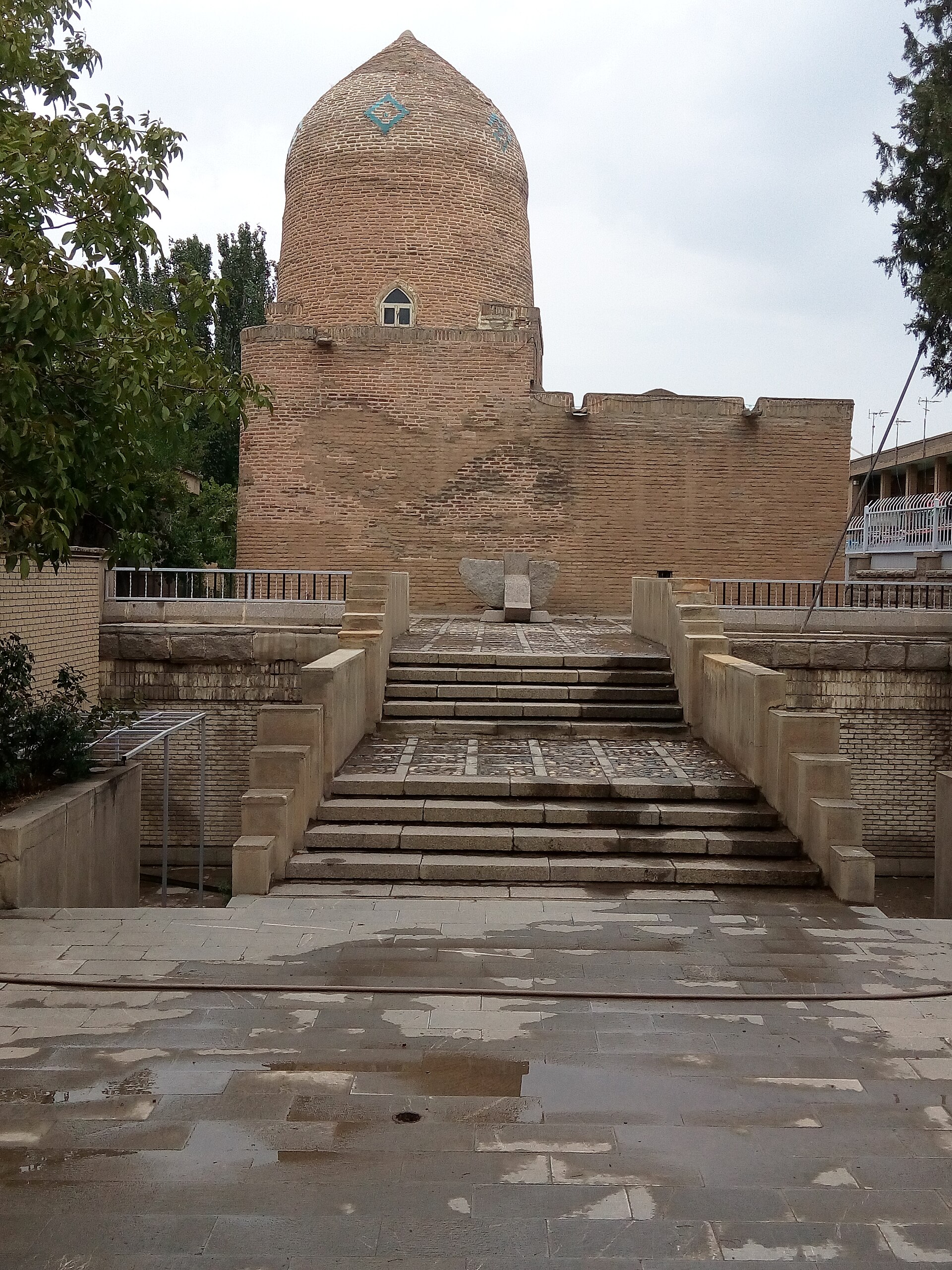
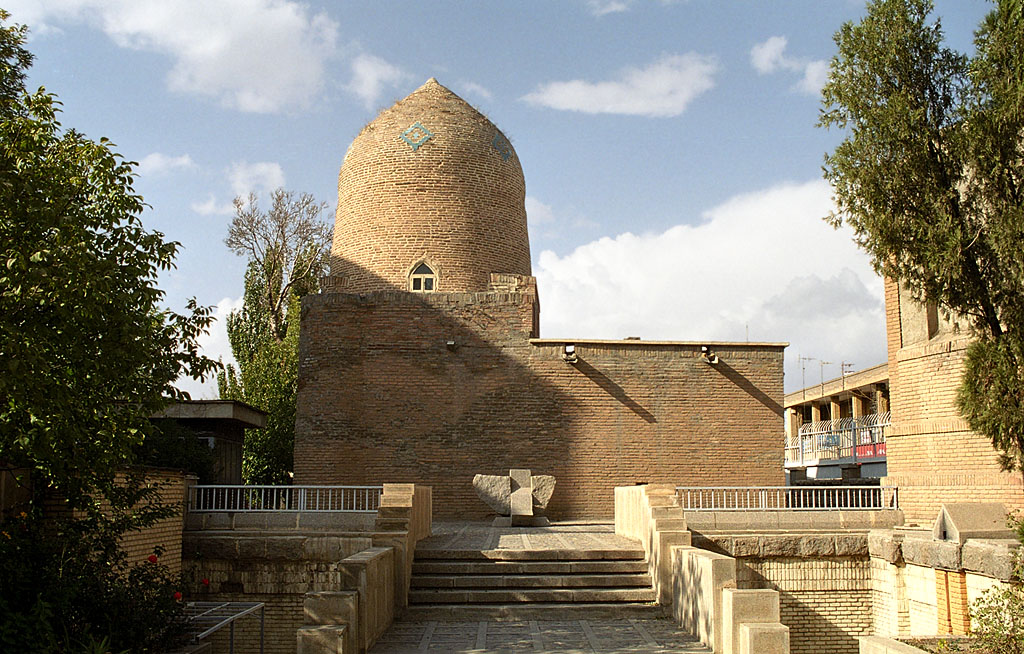
The building
The tomb is a brick building under a dome. Visitors enter through a very low doorway, so that everyone who comes in bows slightly, and pass through an outer chamber to the inner room, where two carved wooden sarcophagi stand side by side. Hebrew inscriptions, among them passages from the Book of Esther, cover the walls and the wood.
In Persian the building is known simply as the Aramgah-e Esther va Mordekhay. For Iran’s Jewish community, one of the oldest in the world, it is a place to pray, to gather at Purim, and to remember a story set in Persia.
Part of Hamedan
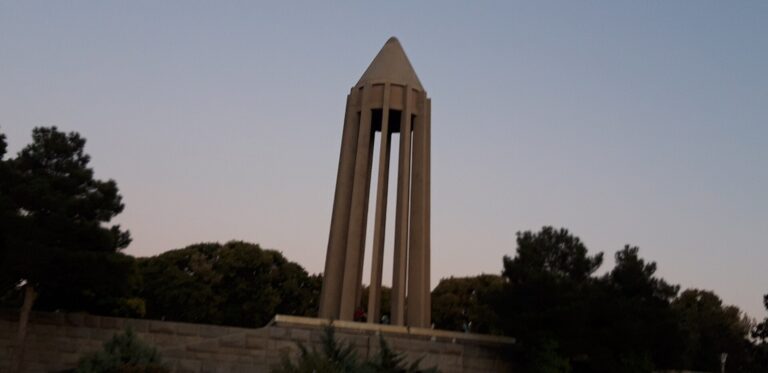
The tomb stands a short walk from the Avicenna Mausoleum and the centre of Hamedan, a reminder that the city has been home to many faiths and peoples since ancient times.