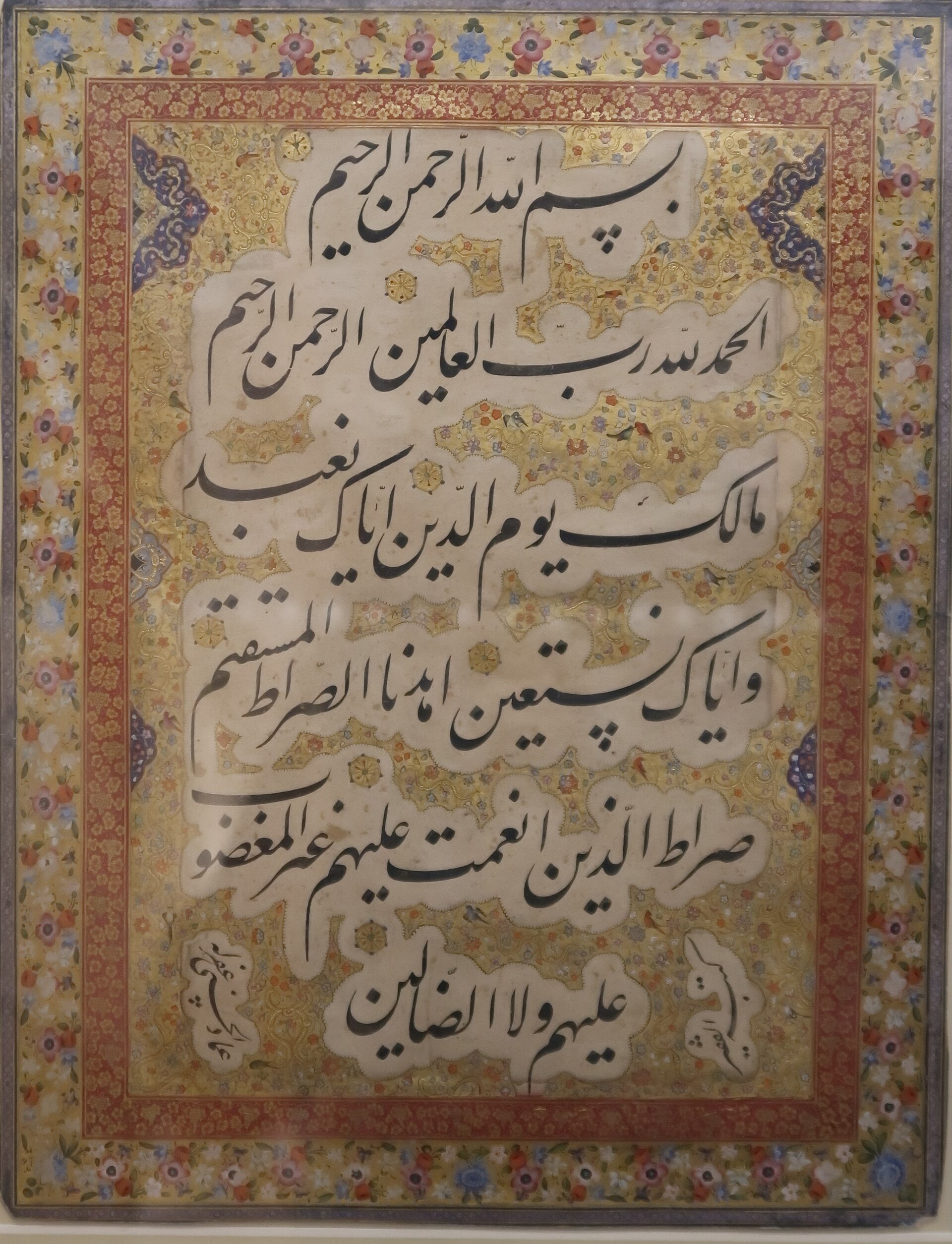
A script for poetry
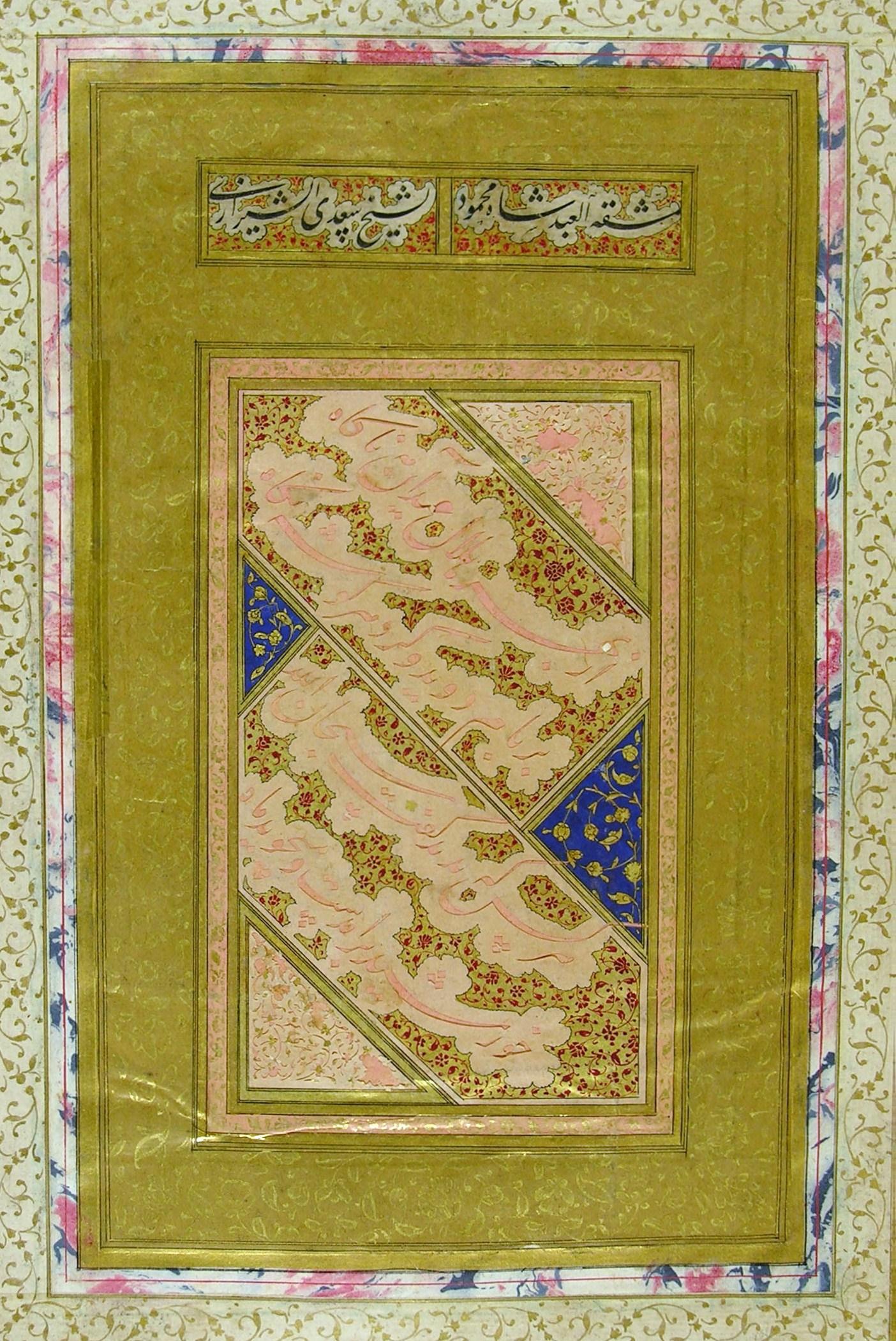
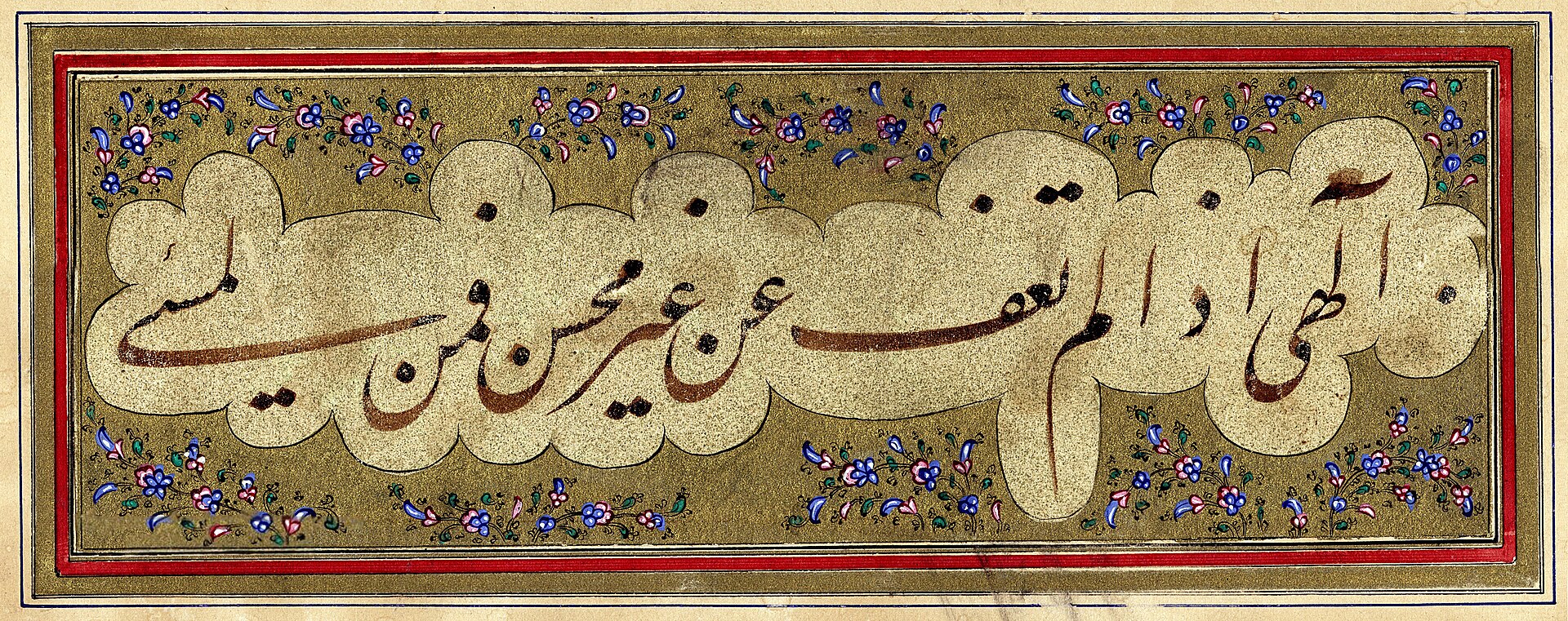
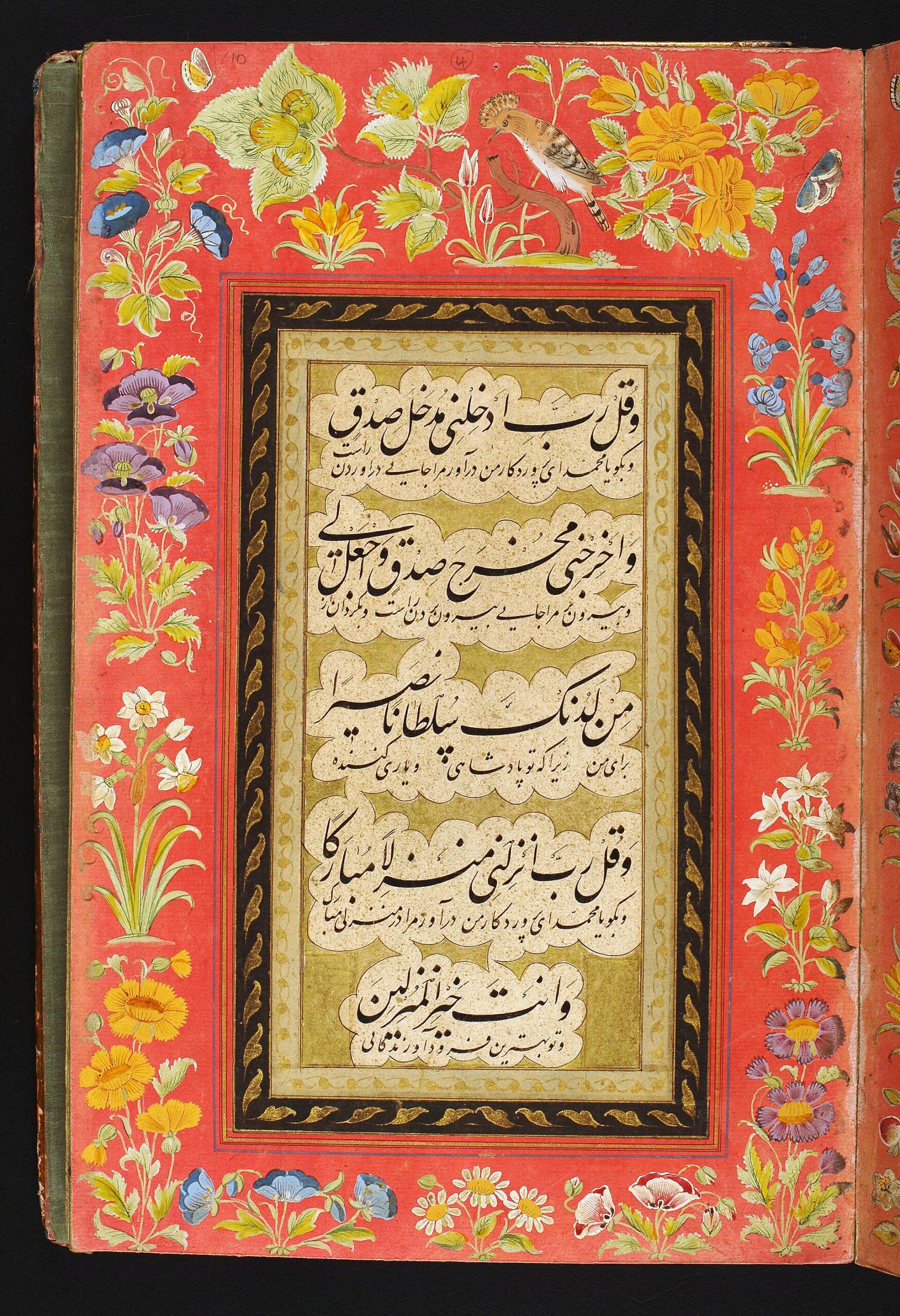
Nastaliq emerged in Iran in the 14th century. Its name contracts naskh-e ta’liq, “hanging naskh,” because its words seem to hang from a slanting line. Later writers credited it to Mir Ali Tabrizi, though modern scholars believe it developed gradually among scribes in Shiraz and Tabriz. Its sweeping curves and varying line thickness suit Persian verse, where a couplet’s half-lines can be stacked above one another.
The masters
Mir Emad Hassani, who died in 1615, is regarded as its greatest master, and his style set the standard for later centuries. Calligraphers traditionally train for years, copying the work of masters, with a reed pen cut to a particular angle and carefully made ink. In the 19th century Mirza Mohammad Reza Kalhor led a revival with a more compact style.
Writing the poets
Many of the greatest manuscripts of Hafez, Saadi and Ferdowsi were copied in nastaliq, and a single line of poetry written well is still hung on a wall like a painting. Digital nastaliq fonts now let the script appear on screens.