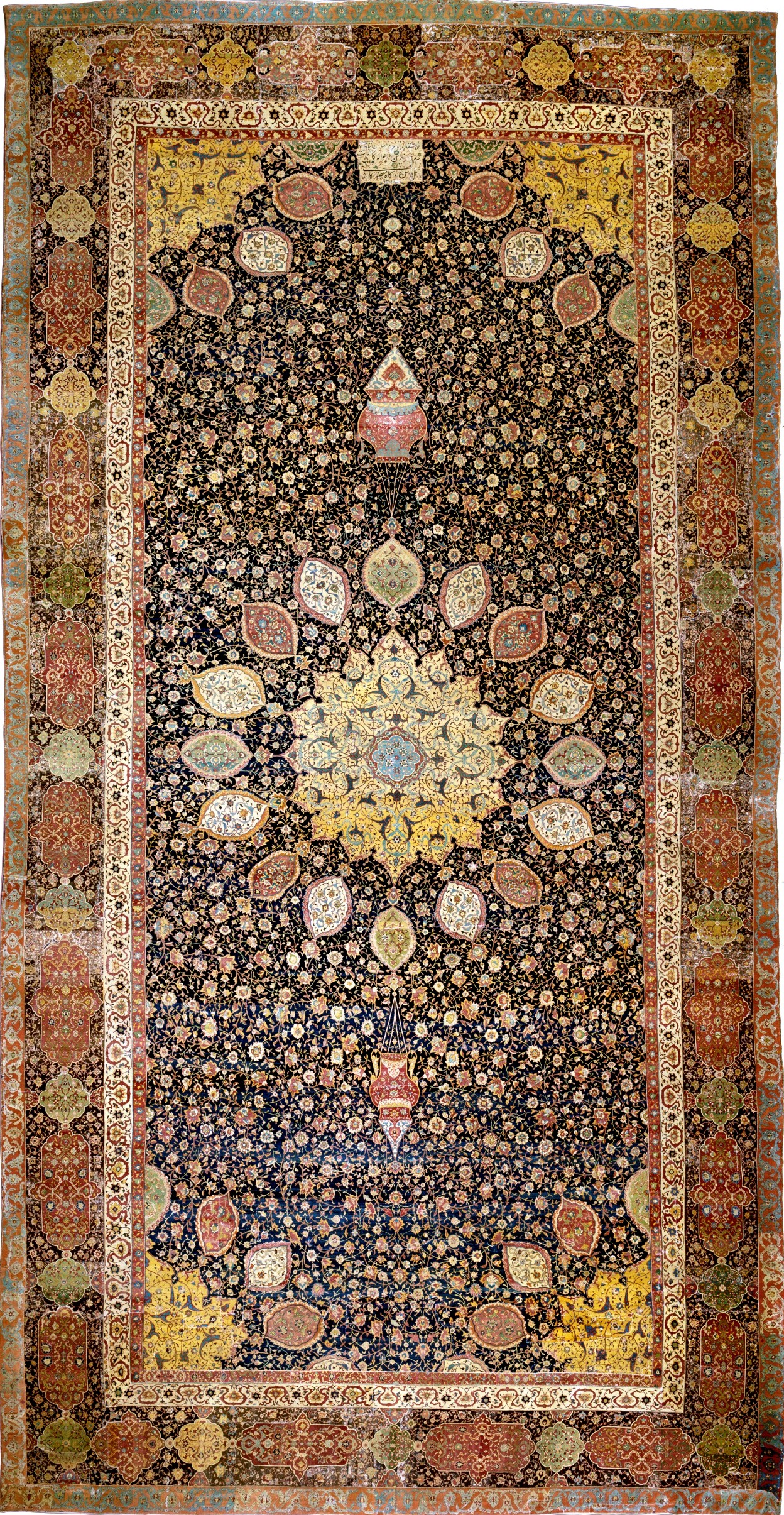
A tradition of knots
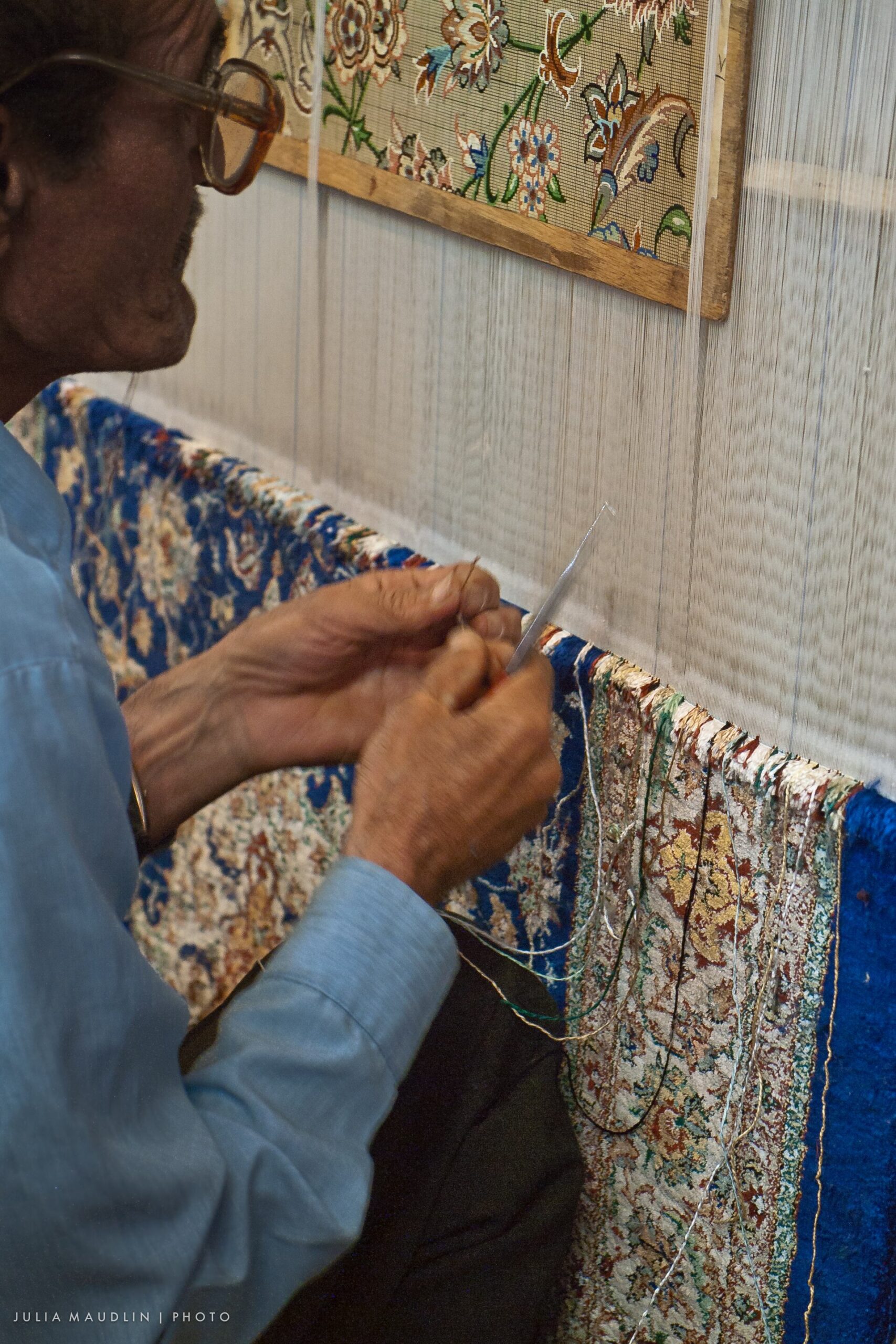
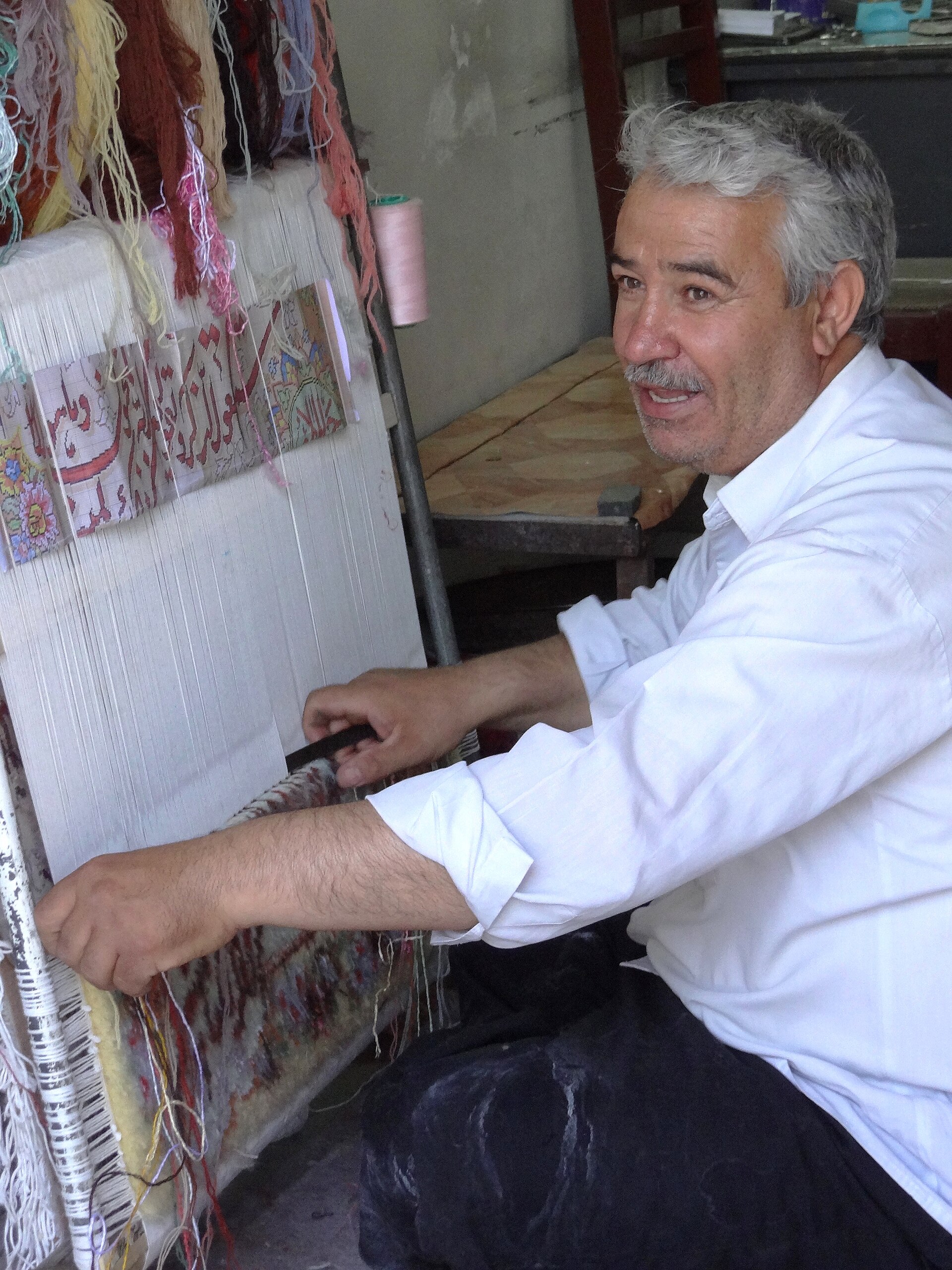
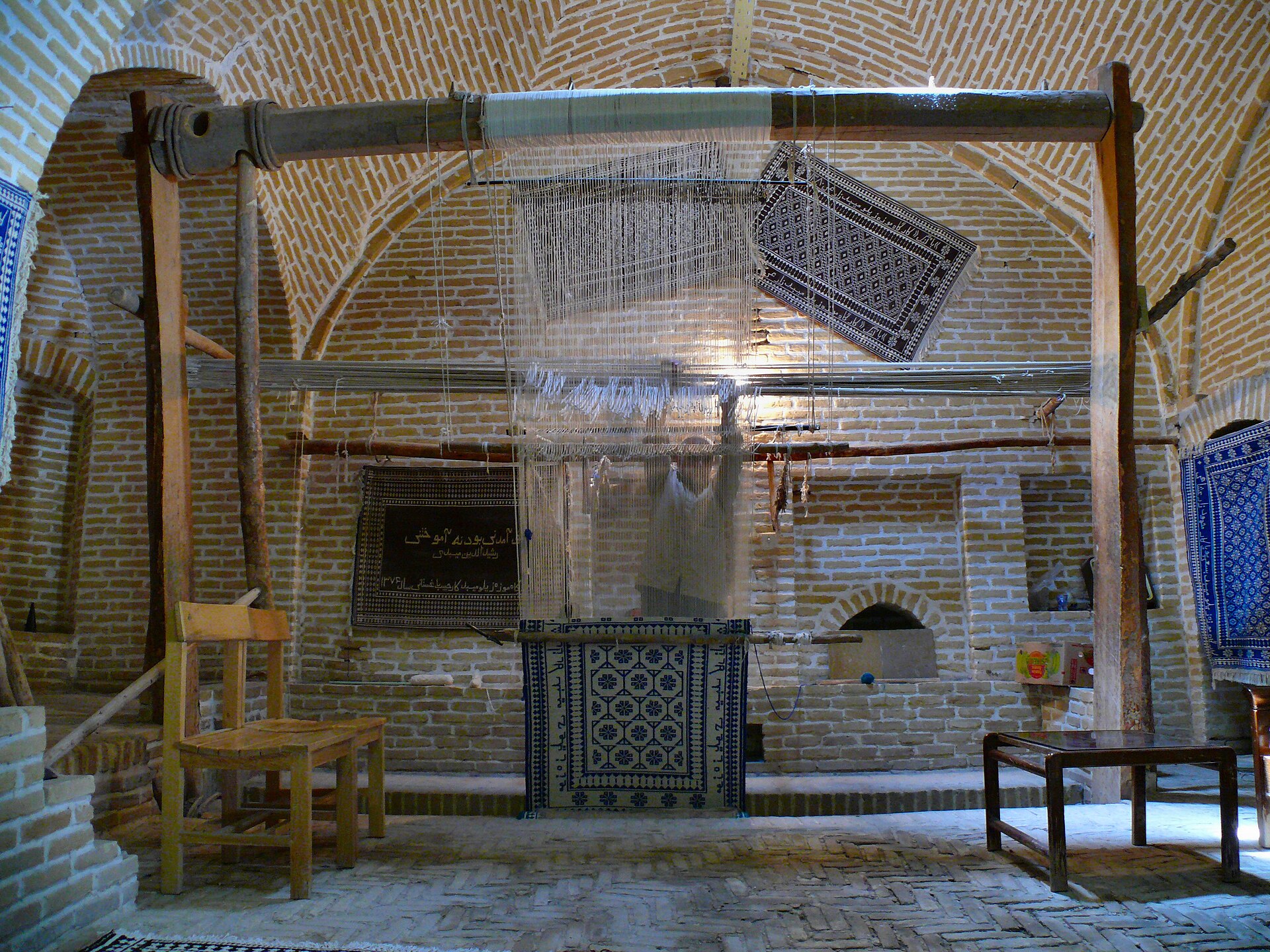
Persian carpets are made by tying thousands of tiny knots of wool or silk, row by row, onto a loom. The designs depend on where they are made. City workshops in Tabriz, Isfahan and Kashan weave elaborate medallions, vines and flowers. Nomadic and village weavers, such as the Qashqai of Fars, work in bolder, more geometric patterns.
The Ardabil Carpet
One of the most famous carpets in the world was made in 1539–40, in the reign of Shah Tahmasp, probably in Kashan. It has about 26 million knots and a central medallion that resembles the inside of the dome of the Sheikh Lotfollah Mosque in Isfahan. Its inscription carries the weaver’s name, Maqsud of Kashan, the date, and a couplet attributed to Hafez. It is now in the Victoria and Albert Museum in London, and a second, smaller carpet made partly from sections of the same weaving is in Los Angeles.
The garden at your feet
Many carpets are designed as gardens, with flowers, birds and water. A carpet is a way to carry the Persian garden indoors, the same idea that gives Pardis its name.