Baba Taher the Naked
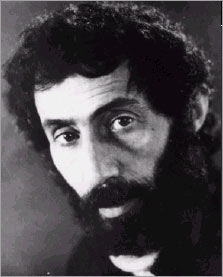
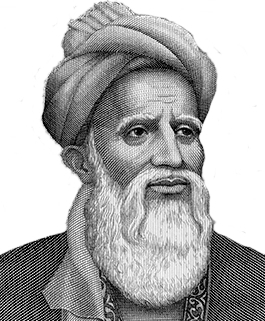
Very little is known for certain about Baba Taher’s life except that he lived in Hamedan in the 11th century. People called him Oryan, the Naked, for the simple, wandering life of a dervish who owned nothing. A 13th-century chronicle tells how the Seljuk conqueror Tughril Beg came to Hamedan and sought out Baba Taher, who asked the new ruler to treat his people with justice.
The do-bayti
Baba Taher wrote in the dialect of Hamedan, in the do-bayti, a short song of two couplets with a gentle rhythm much older than classical Persian verse. His quatrains are about longing, love and God, and they are so simple that farmers and grandmothers have recited them for nine centuries. Singers still perform them with the setar.
اگر دل دلبره دلبر کدومه / وگر دلبر دله دل را چه نومه
“If the heart is the beloved, then who is the beloved? And if the beloved is the heart, what is the heart’s name?”
The tomb in Hamedan
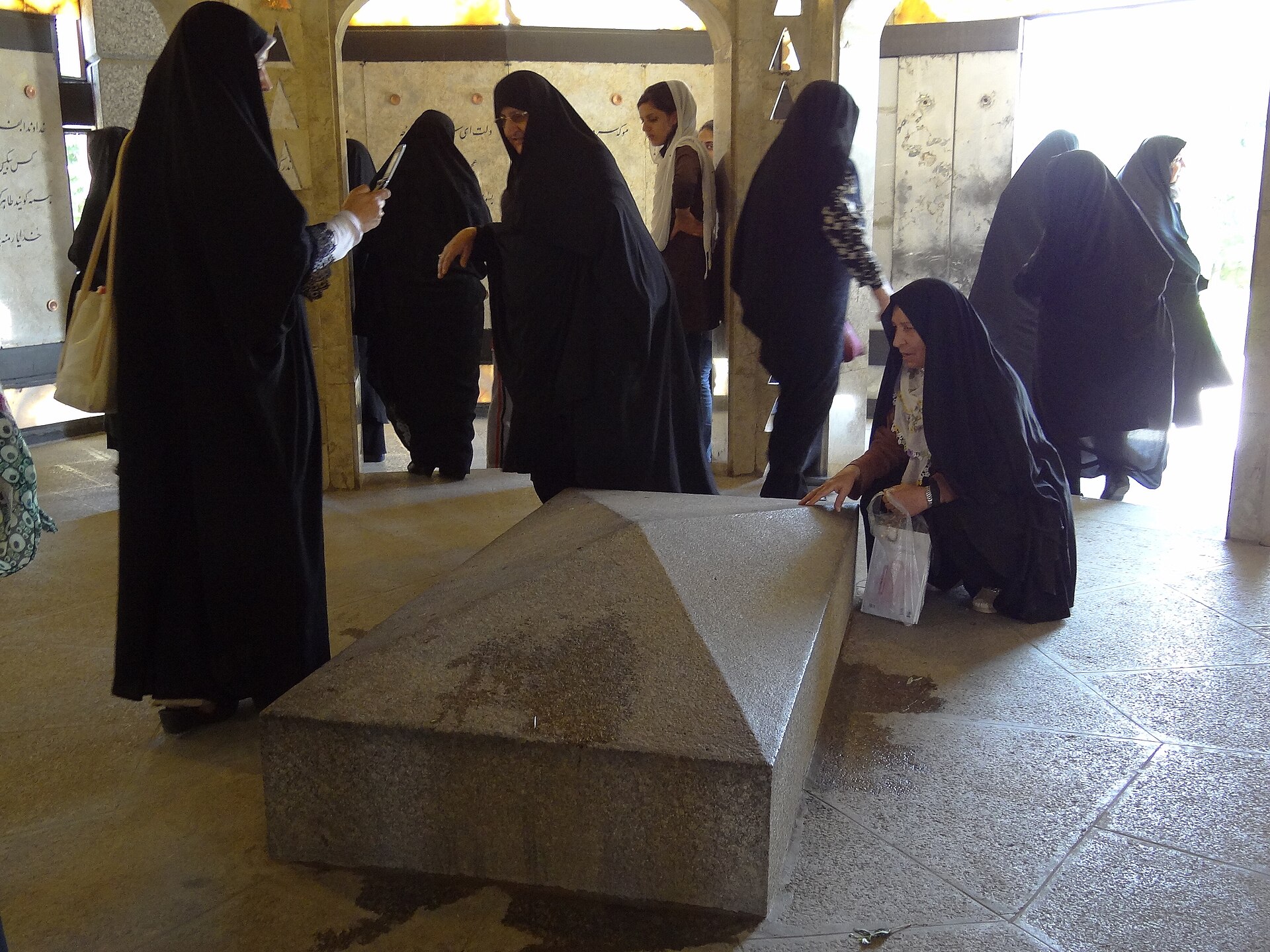
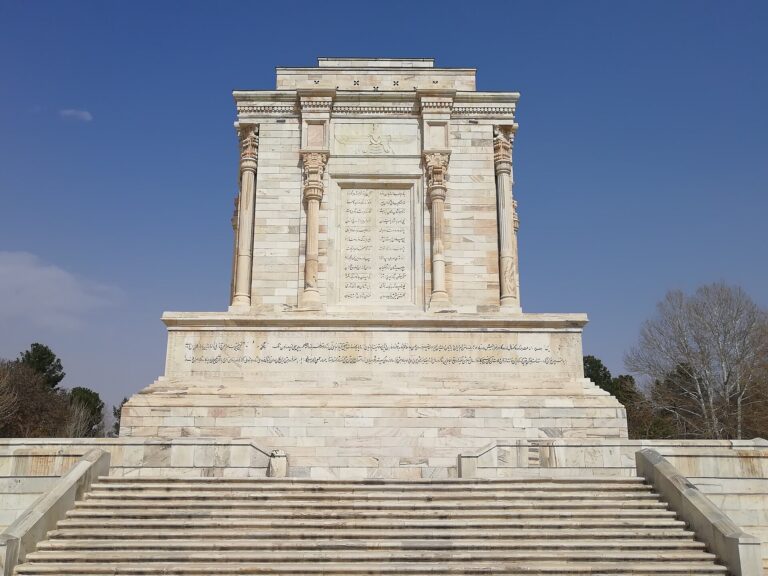
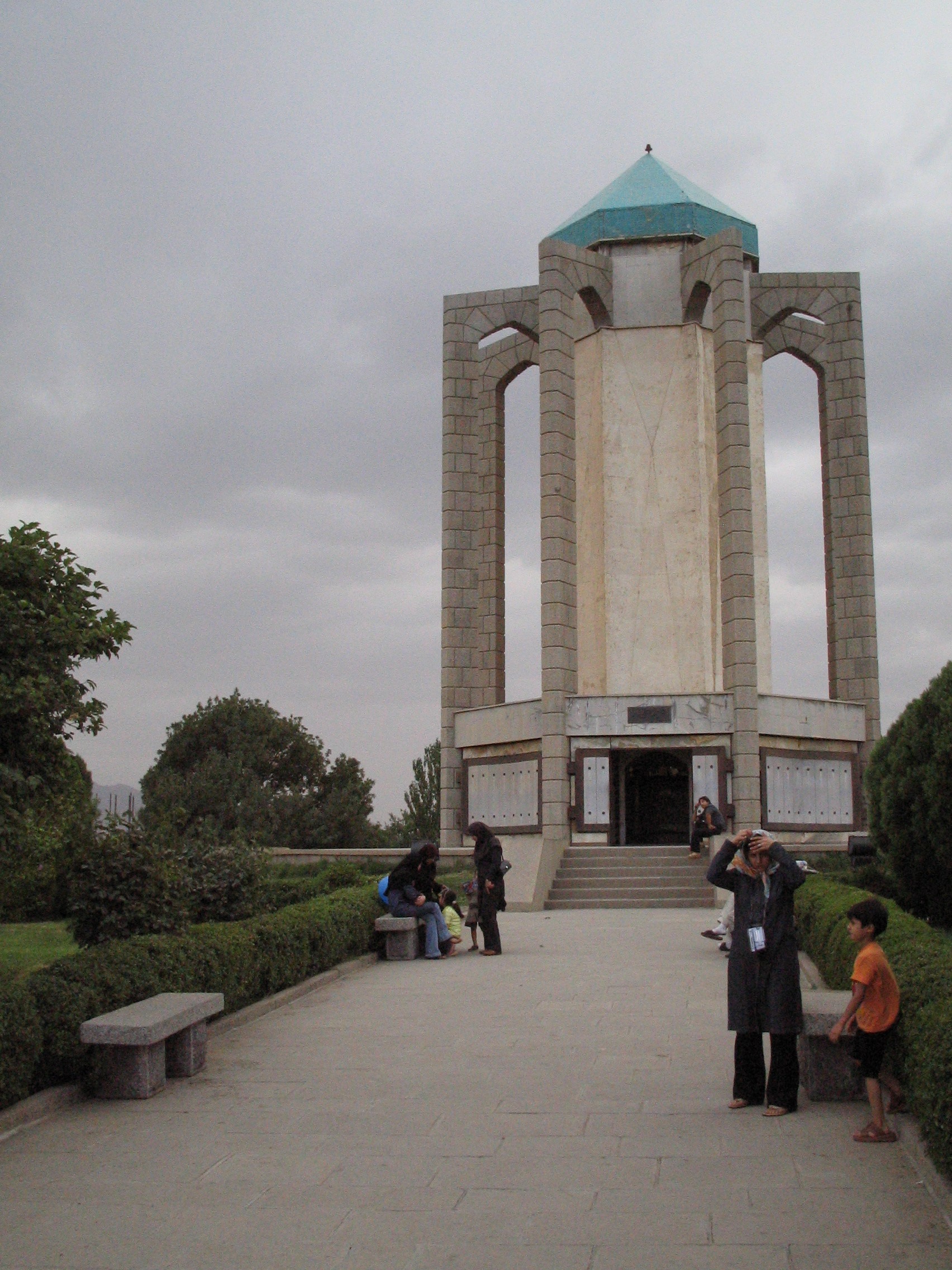
His tomb stands in a park near the northern entrance to Hamedan. The modern monument, designed by the architect Mohsen Foroughi, is a tower surrounded by twelve pillars. It is one of the city’s most loved places, and a stop on any walk through Hamedan.