Ecbatana
The Greek historian Herodotus wrote that Ecbatana was founded by Deioces, the first king of the Medes, around the 7th century BC, and described it as a city ringed by seven walls, each painted a different colour. It became the capital of the Medes and later the summer capital of the Achaemenid kings, who came up from the plains for its cool mountain air. In the centre of the modern city, archaeologists are still uncovering the ancient town on Hegmataneh Hill.
Walking the city
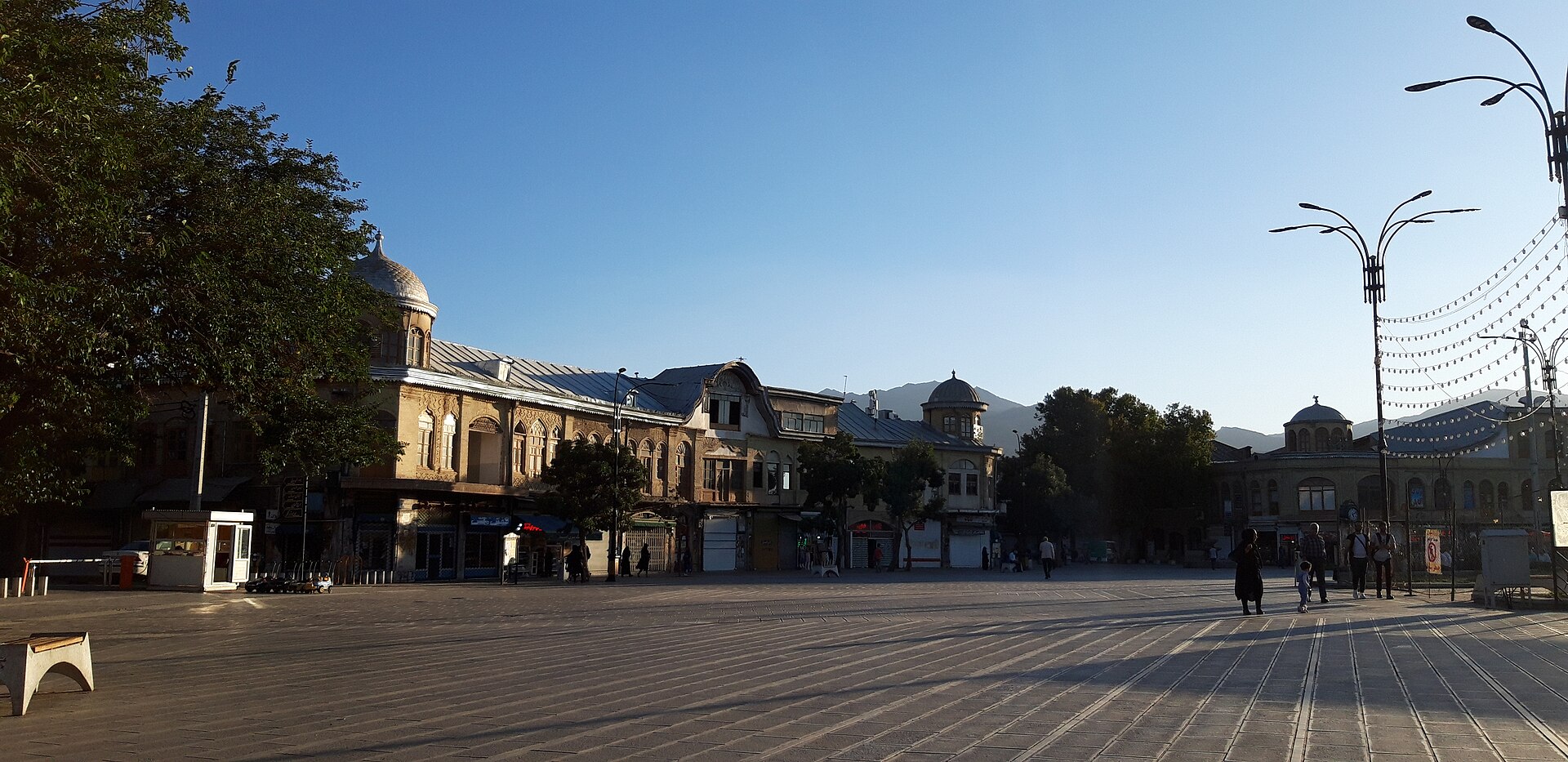
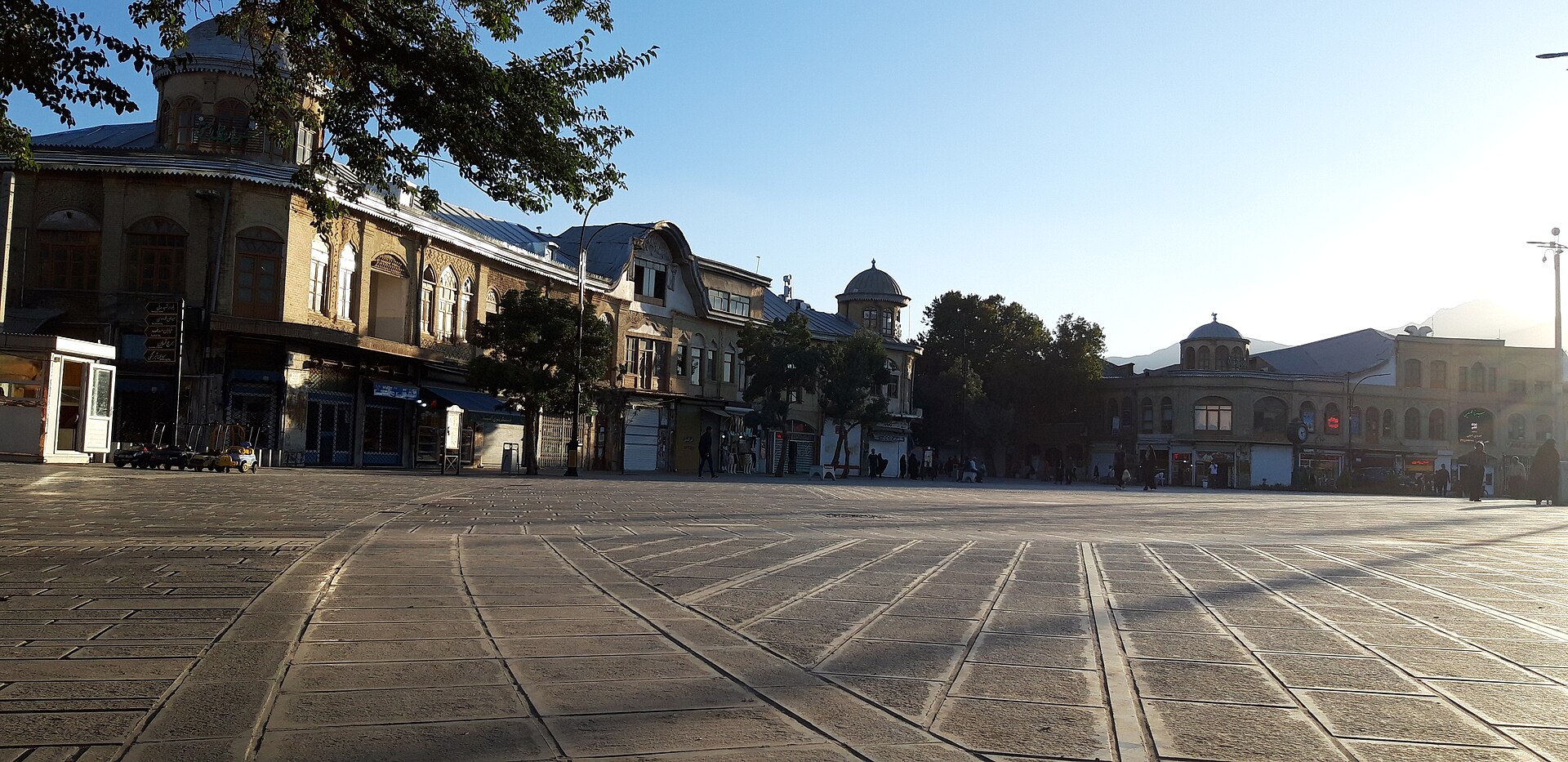
Hamedan’s central square, laid out in the late 1920s, sends six avenues out like the spokes of a wheel. A short walk away is Bu Ali Sina Square and the tower of the Avicenna Mausoleum. To the north is the tomb of the beloved poet Baba Taher, and in the old quarter the tomb believed by many to be that of Esther and Mordecai, the most important Jewish pilgrimage site in Iran.
Above the city rise the granite slopes of Mount Alvand and the royal inscriptions of Ganjnameh, and about 100 km to the north lies Alisadr Cave.
Made in Hamedan
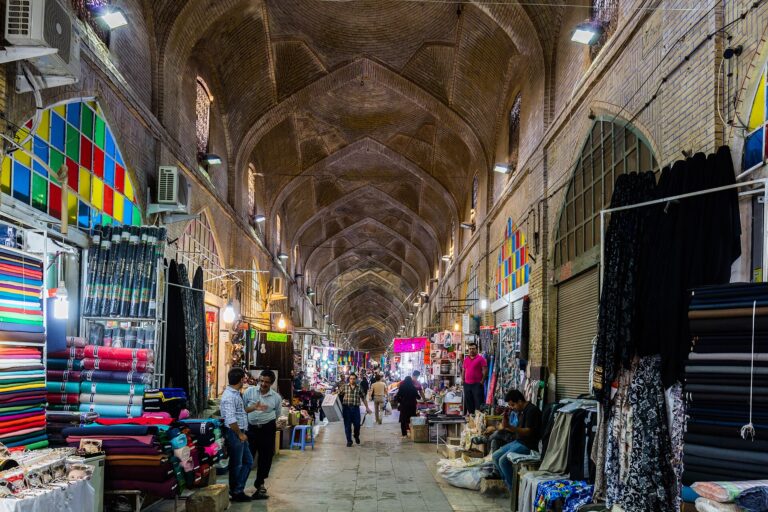
Hamedan has been known for centuries for its fine leather, especially soft gloves and bags. In the nearby town of Lalejin, families of potters still throw and glaze the turquoise ceramics that fill markets across Iran.