The radif
Persian classical music is built on the radif, a large repertoire of melodies passed from teacher to student. In the 19th century the tar and setar master Mirza Abdollah set down the version of the radif that is the most influential today. It is organized into seven dastgahs, or modal systems, such as Shur, Mahur, Homayun, Segah, Chahargah, Nava and Rast-Panjgah, each with its own mood.
A performance is not read from a score. Musicians improvise within a dastgah, moving through its melodic phrases the way a poet moves through the lines of a ghazal.
Voice and verse
Poetry is at the heart of the tradition. Singers improvise lyrics and melody together, using verses by Hafez, Rumi and Saadi, and the great singers, such as Mohammad Reza Shajarian, were as loved for how they treated a line of verse as for the sound of their voice. The roots go back far: the Sasanian musician-poet Barbad is said to have performed at the royal court.
The instruments
Setar: a small long-necked lute, with a soft, intimate sound.
Tar: a larger lute with a double-bowled body, used in the radif.
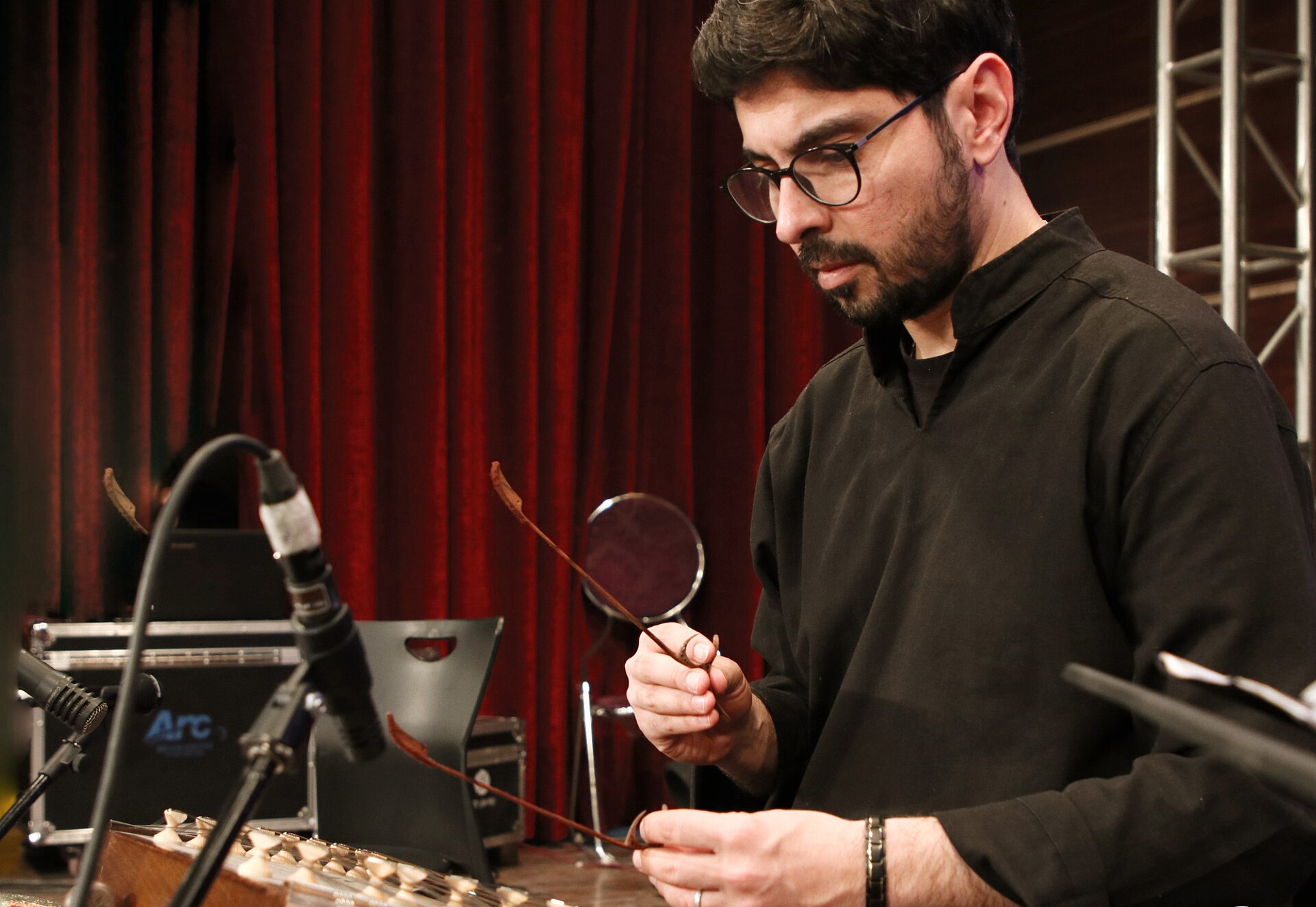
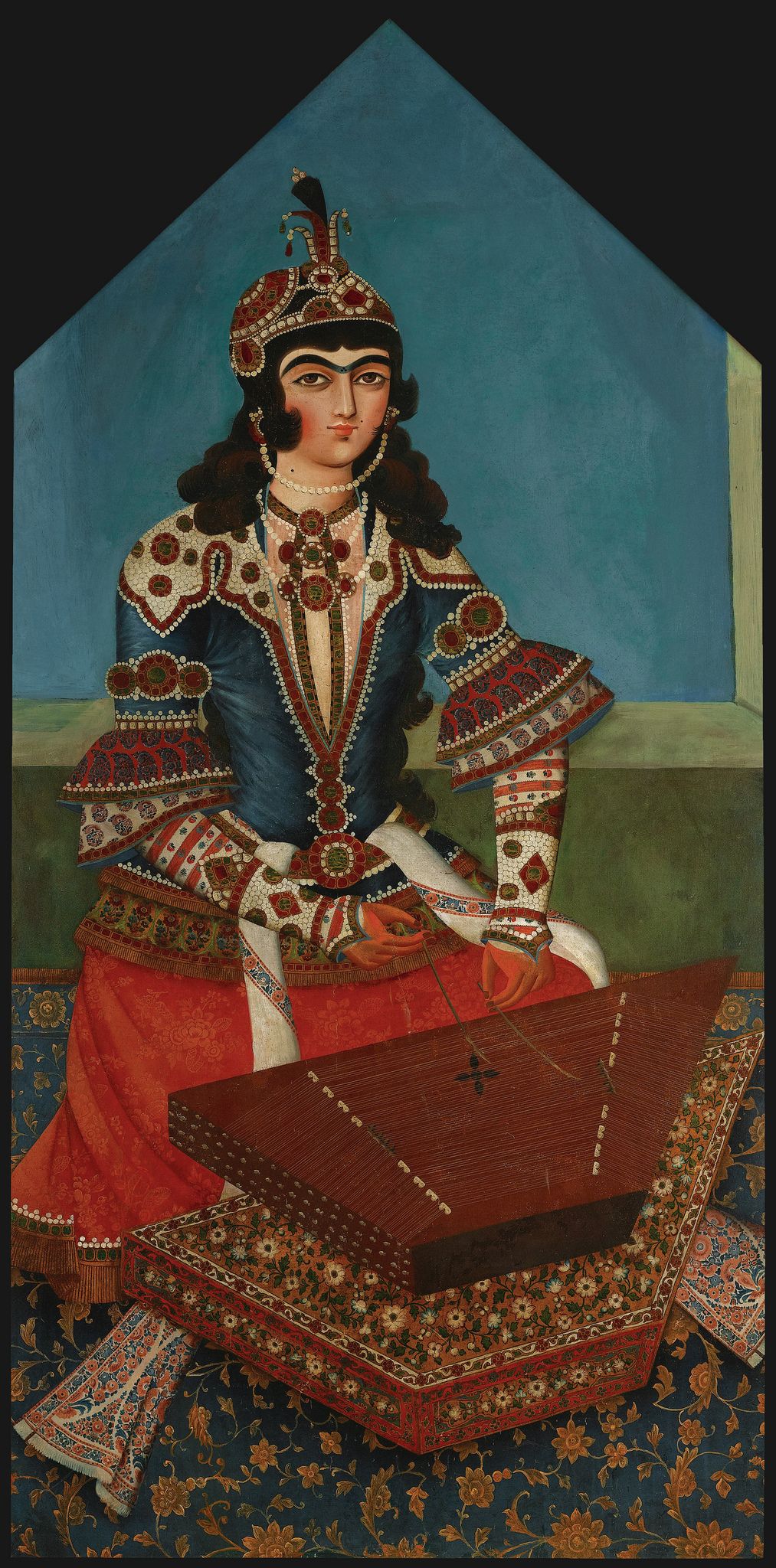
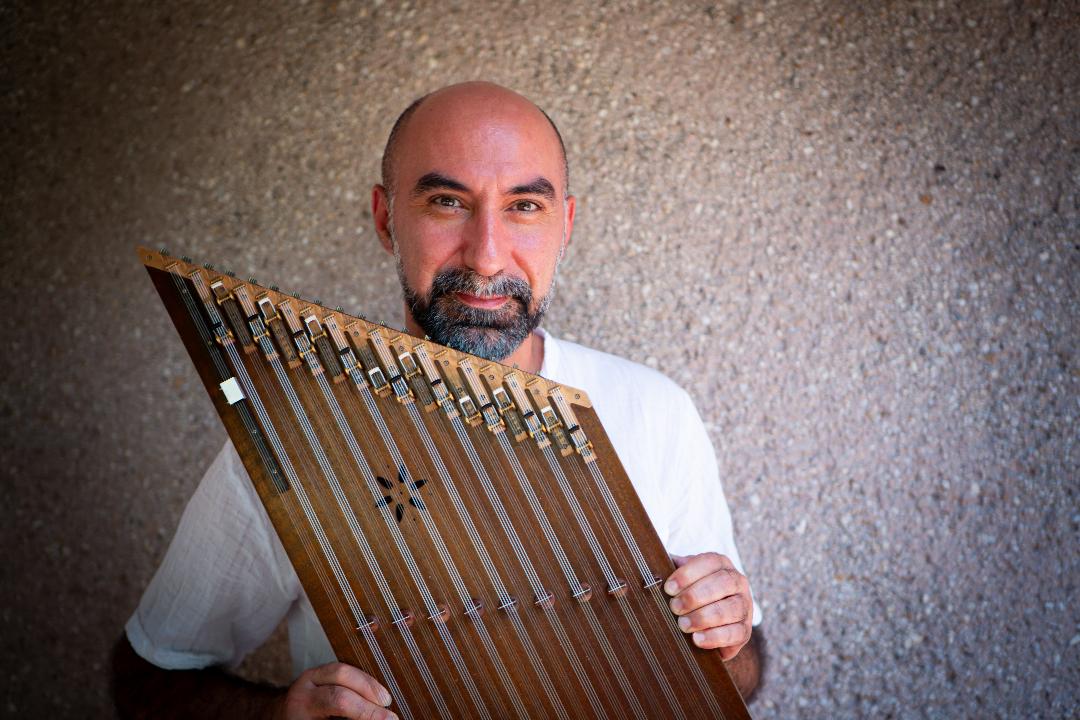
Santur: a hammered dulcimer played with two light mallets.
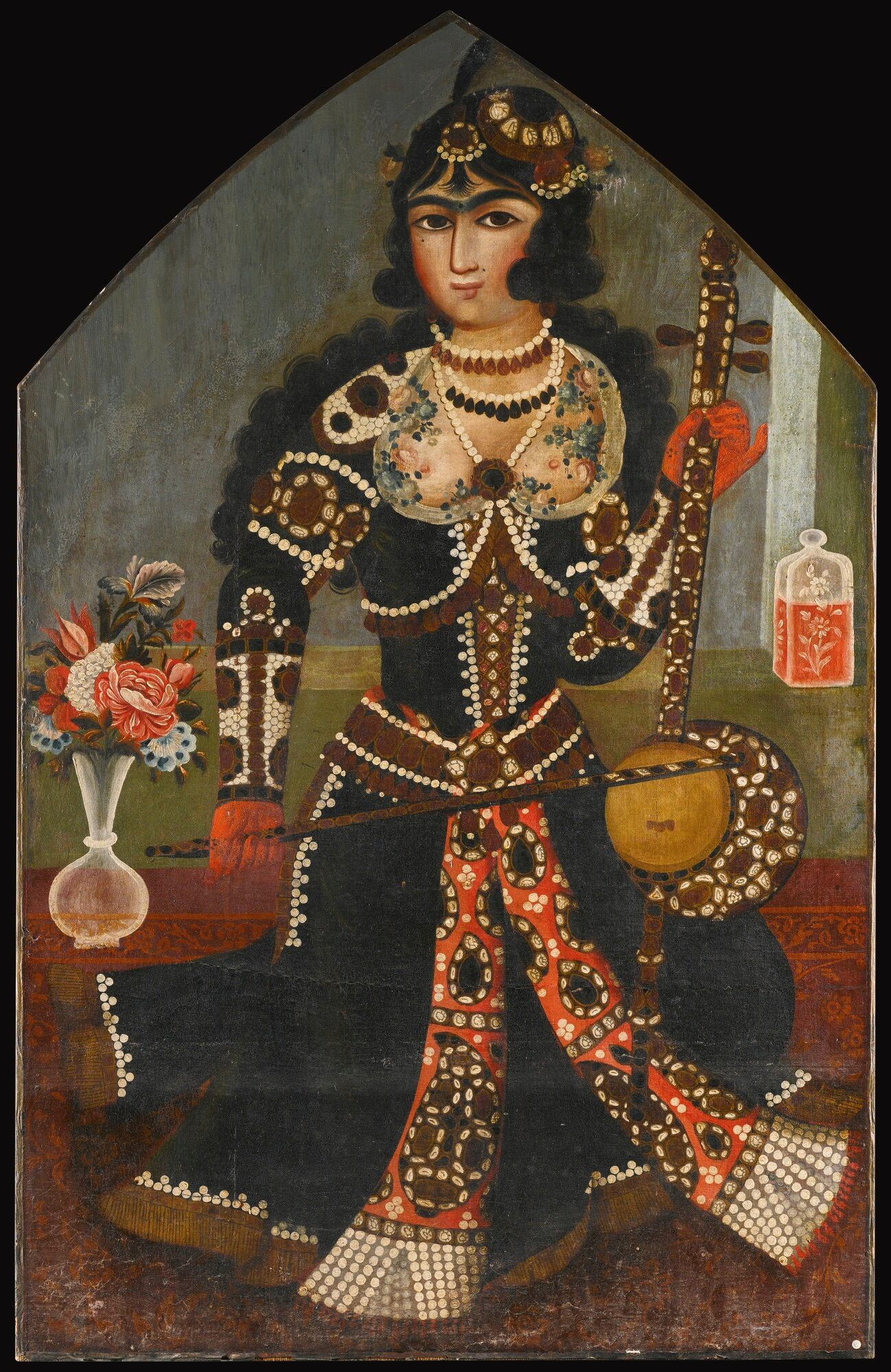
Kamancheh: a bowed spike fiddle.
Ney: an end-blown reed flute.
Tombak and daf: a goblet drum and a large frame drum that provide the rhythm.