The new day
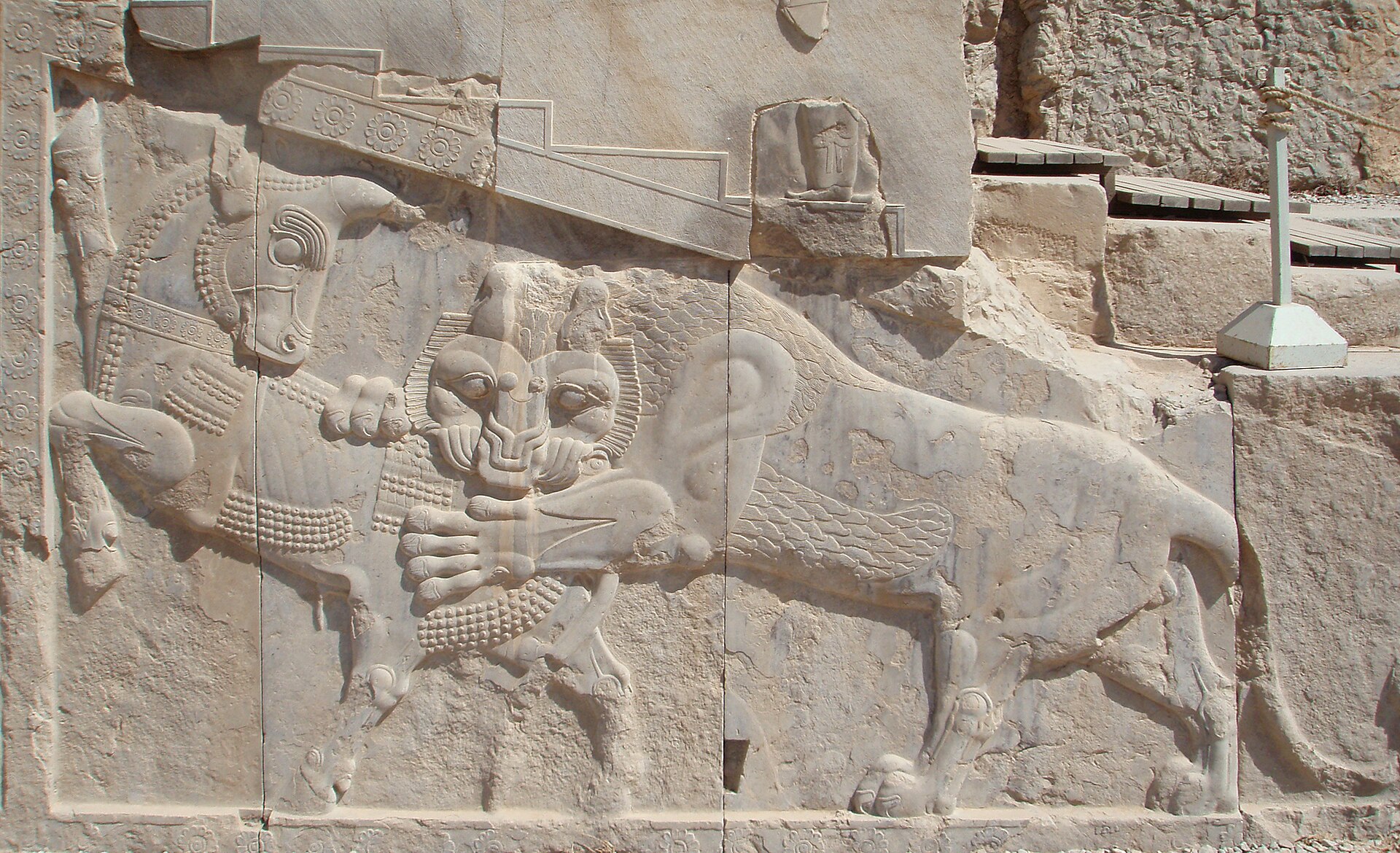
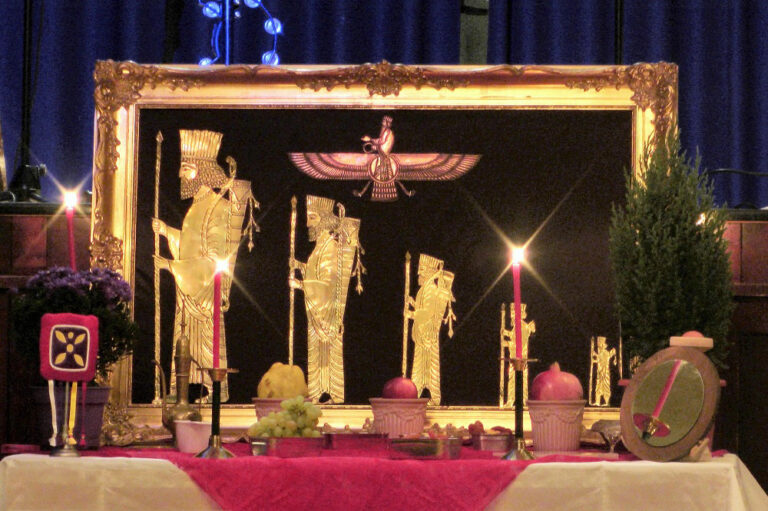
Nowruz begins at the precise moment the sun crosses the equator into spring, the tahvil-e sal, whether that falls at dawn or in the middle of the night. Families gather in new clothes around the haft-sin table and count down together. The Shahnameh credits its founding to the legendary king Jamshid, and it was already an old festival when the Achaemenid kings ruled from Persepolis.
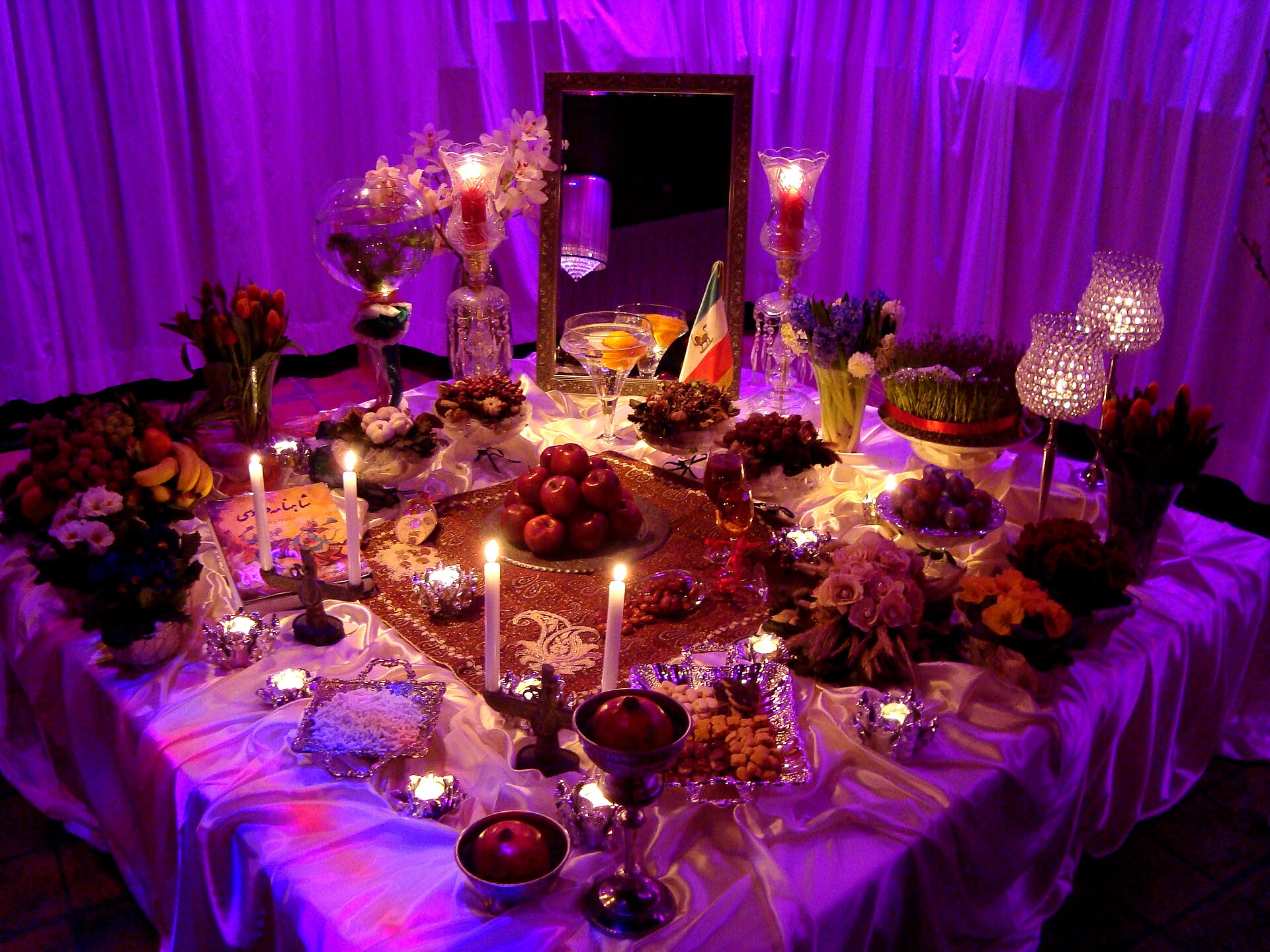
The haft-sin
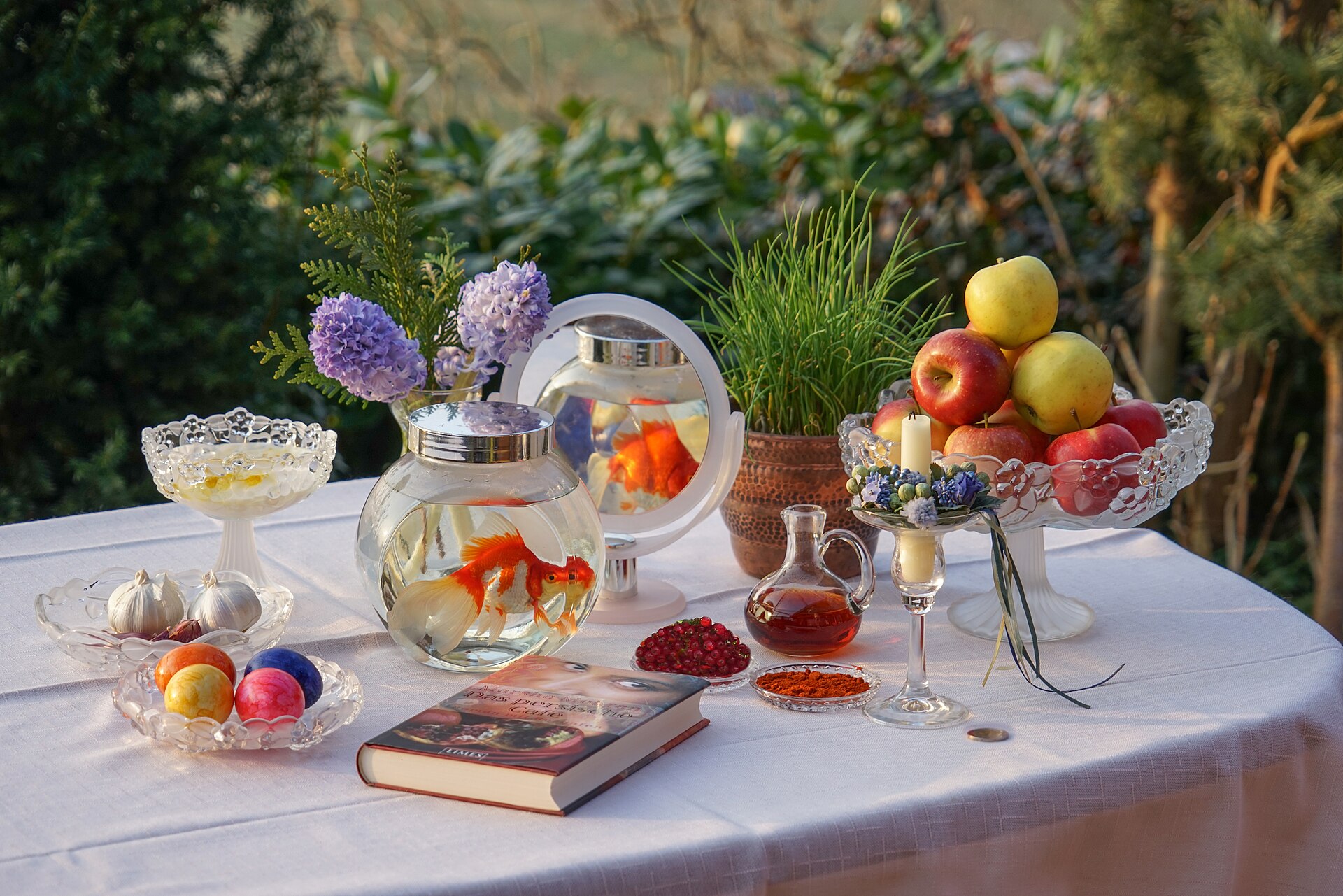
The haft-sin is a table of seven things whose Persian names begin with the letter sin (S): sabzeh, sprouted wheat or lentils for rebirth; samanu, a sweet wheat pudding for abundance; senjed, dried oleaster for love; sir, garlic for health; sib, apples for beauty; somaq, sumac for the colour of sunrise; and serkeh, vinegar for patience. Beside them sit a mirror, candles, painted eggs, a goldfish in a bowl, coins, and often a Divan of Hafez or a Quran.
Thirteen days
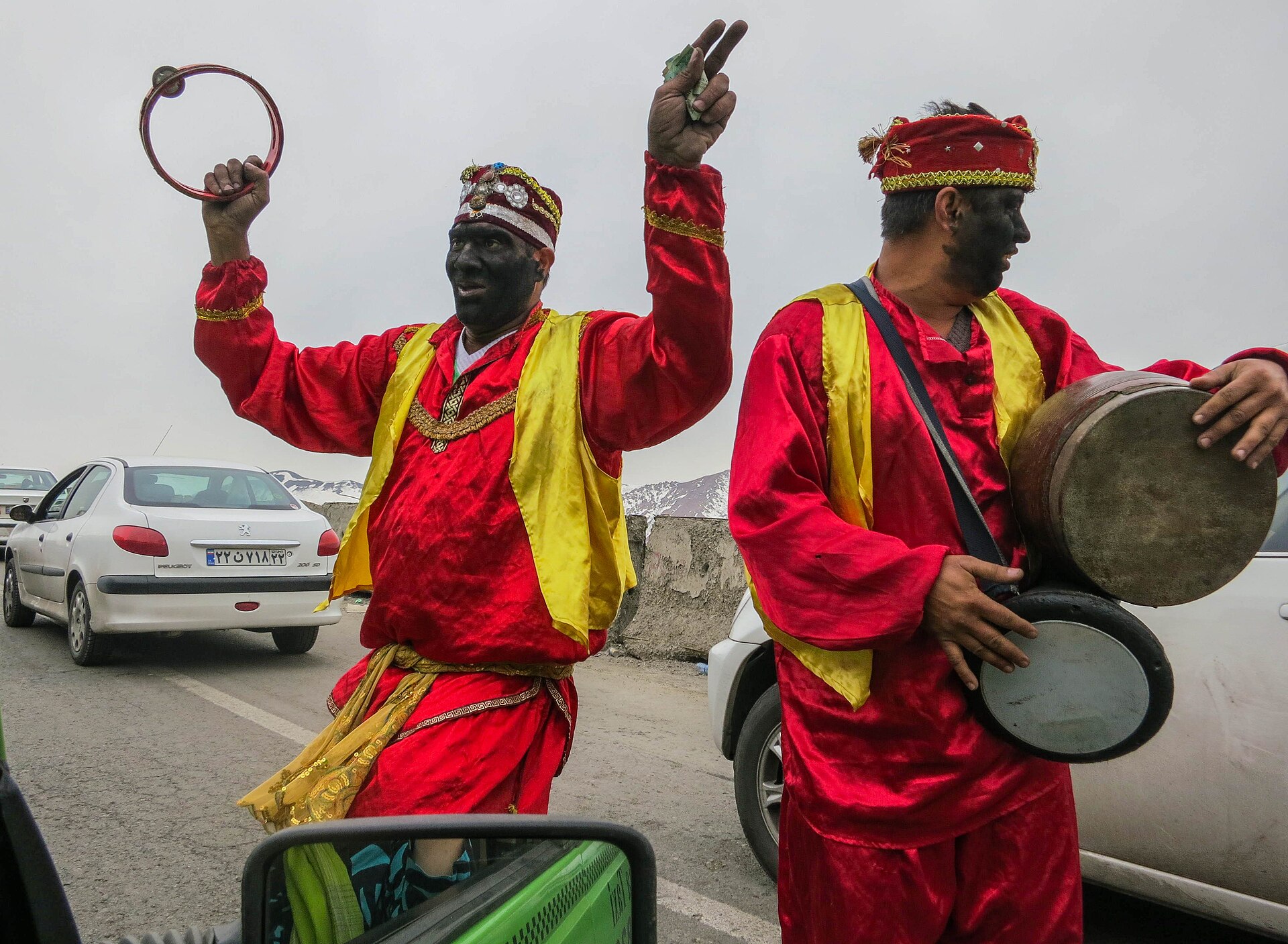
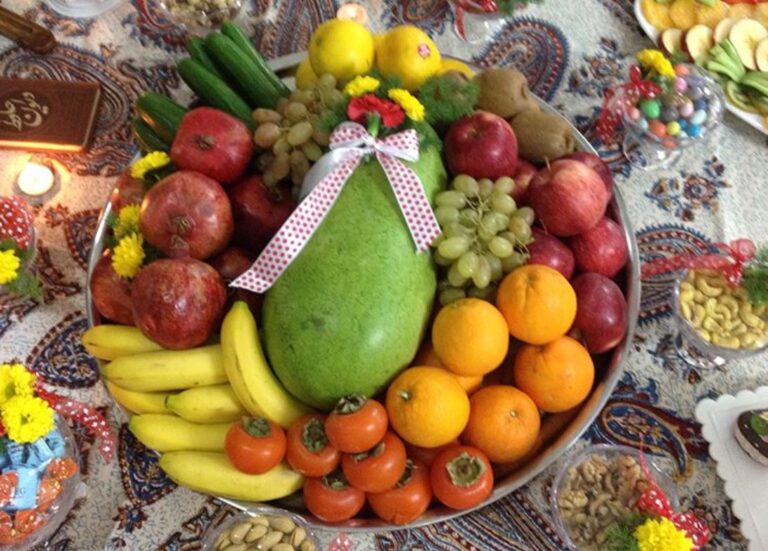
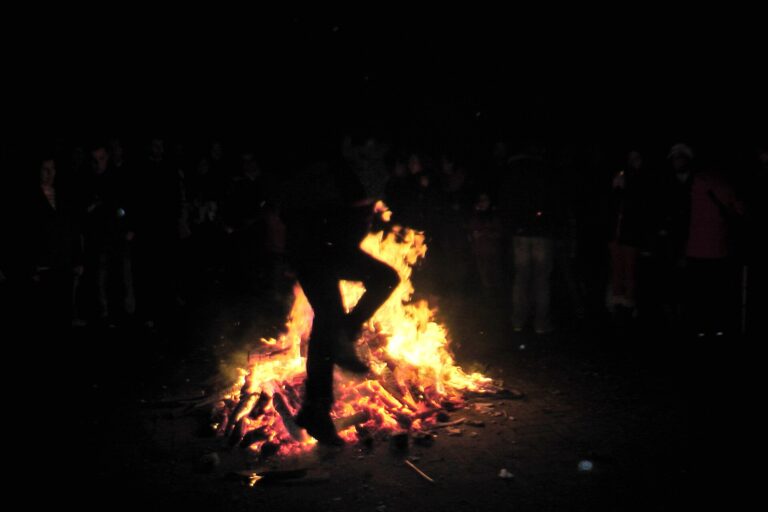
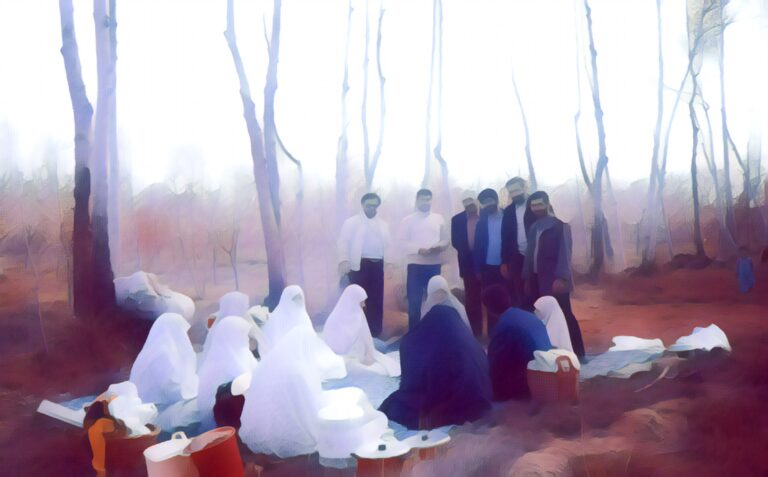
In the weeks before, families do khaneh-tekani, “shaking the house,” a top-to-bottom spring cleaning, and Haji Firuz, in his red costume, dances through the streets with a tambourine announcing the new year. After the tahvil come days of visits, eid-didani, starting with the eldest relatives, with sweets, tea and crisp new banknotes for the children. The holiday ends on the thirteenth day with Sizdah Bedar.