Image of the World
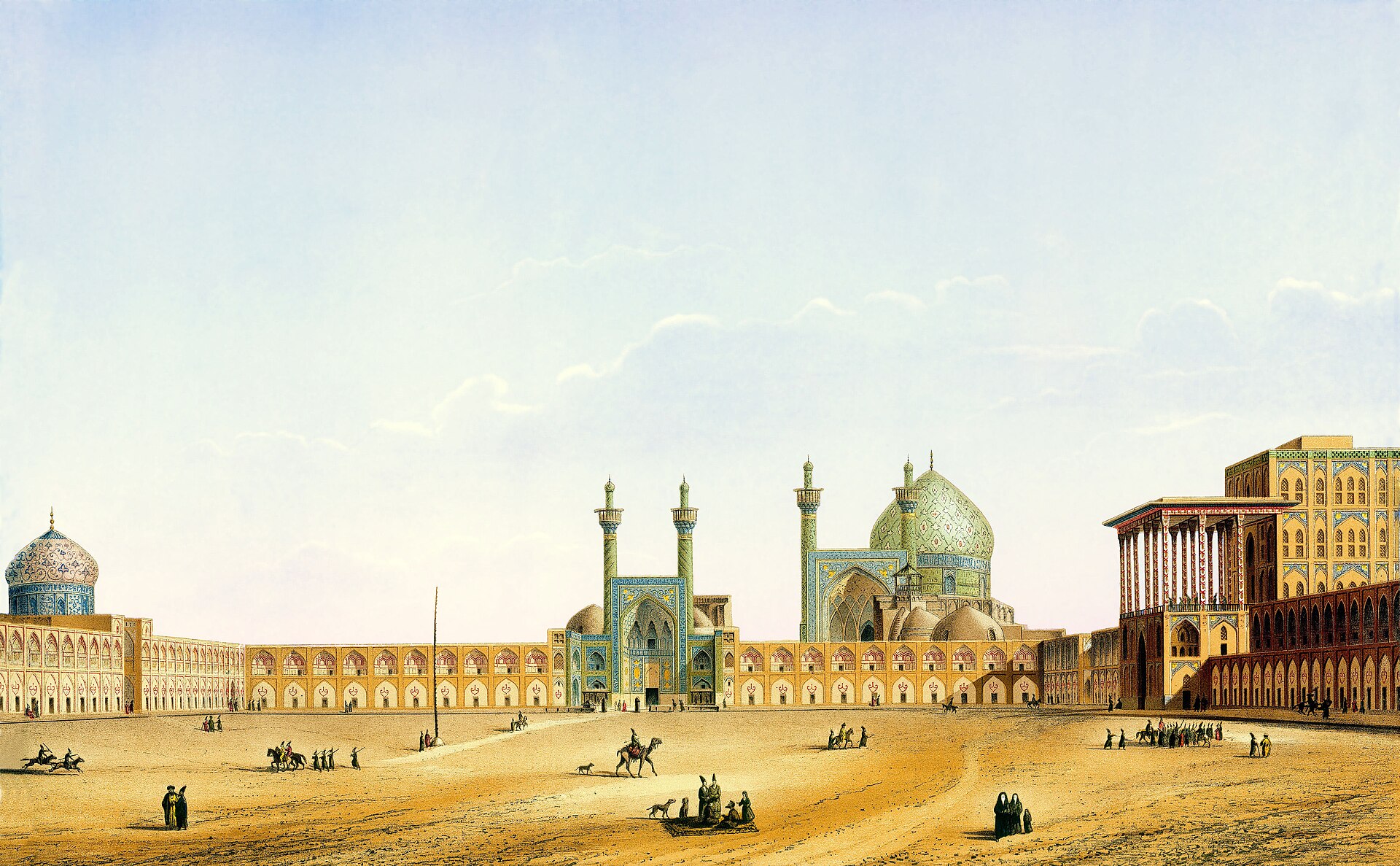
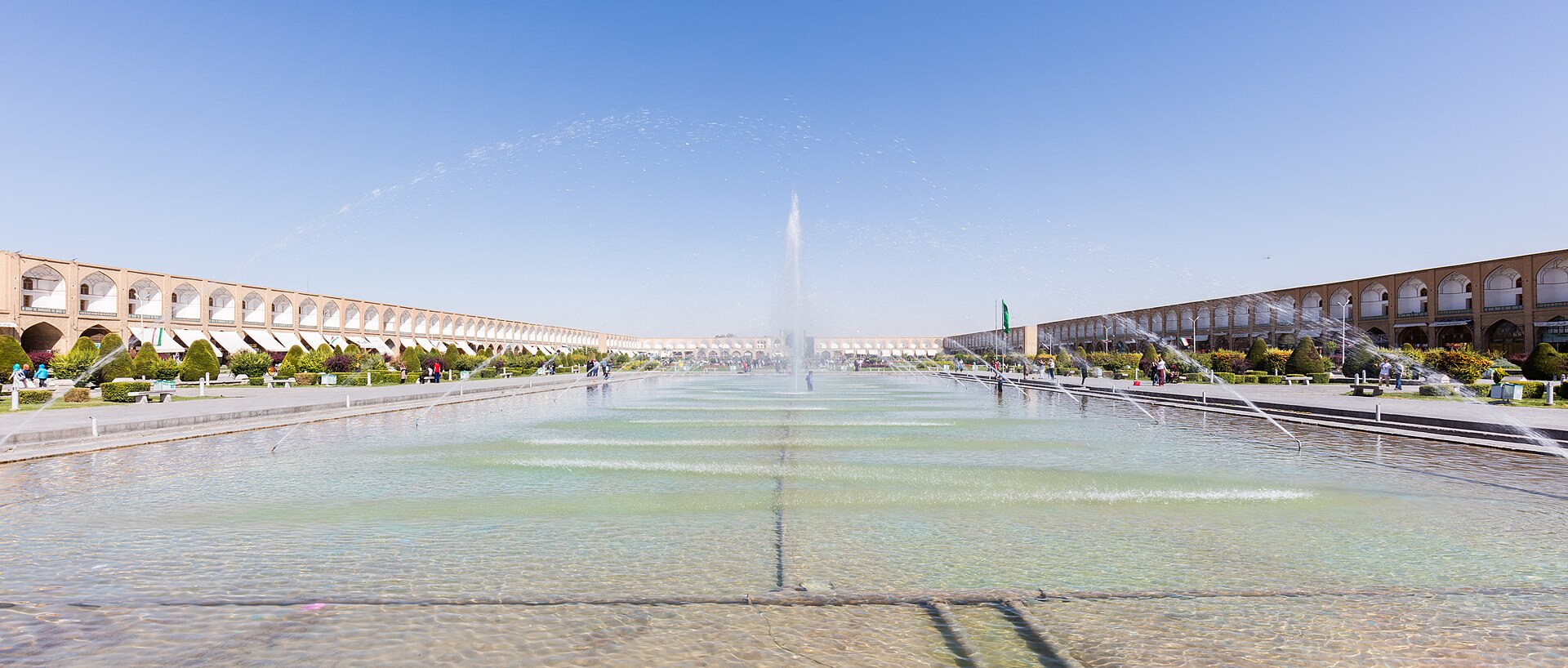
When Shah Abbas the Great moved his capital to Isfahan in 1598, he built a new heart for the city: a vast rectangle of open ground lined with two storeys of arcades. Its name, Naqsh-e Jahan, means Image of the World, and Isfahanis boasted that their city was nesf-e jahan, half the world.
Four sides, four worlds
South: the Shah Mosque. The great congregational mosque, its blue dome turned toward Mecca.
East: the Sheikh Lotfollah Mosque. A smaller, private mosque for the royal household, with no courtyard and no minarets. Its cream-coloured dome seems to change colour with the light through the day.
West: Ali Qapu Palace. The Shah watched polo matches and parades from its high wooden terrace. Its upper music room is cut with niches shaped like vases and bottles, which were designed to improve the sound.
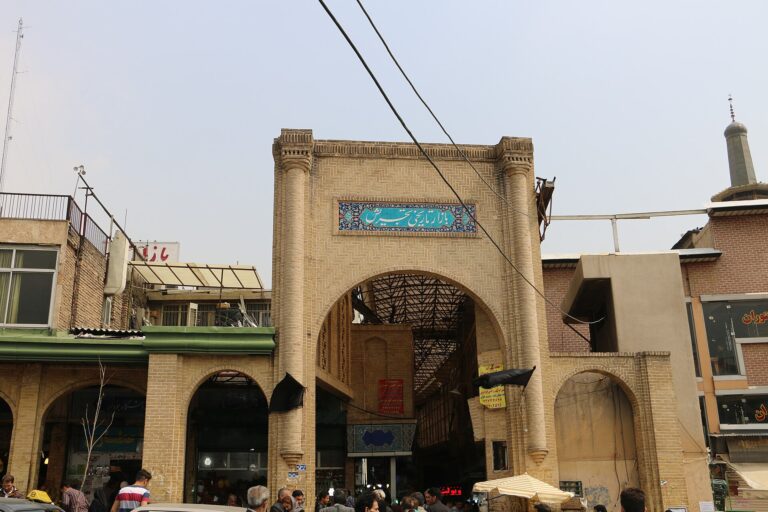
North: the Qeysarieh Gate. The entrance to the Grand Bazaar, a covered street running for more than a kilometre through the old city.
The square today
The stone goalposts from the Shah’s polo games still stand at either end. In the evening families spread blankets on the lawns, horse carriages circle the pools, and the arcades fill with makers of miniature paintings, enamel work, carpets and the hammered copper Isfahan is famous for.